Tasmania has 92 wineries listed on Spill. The number spans everything from small family estates to large-production facilities open to the public.
How much do wine tastings cost in Tasmania?
Across the 17 Tasmania wineries with a published fee, most tastings run AU$10 to AU$55 per person. Budget visitors can find options at the lower end. The higher-priced experiences generally include more pours, food pairings, or private settings.
What wines is Tasmania known for?
Tasmania is best known for Pinot Noir, Chardonnay, Riesling, Sauvignon Blanc, and Pinot Gris. These varietals appear most frequently across estates in the region and reflect the area's climate and soil conditions.
Do you need reservations for wine tasting in Tasmania?
20 of the 30 Tasmania wineries with a stated reservation policy require one. Walk-ins are more common on weekdays. Weekends fill quickly, especially at well-known estates.
Are there dog-friendly wineries in Tasmania?
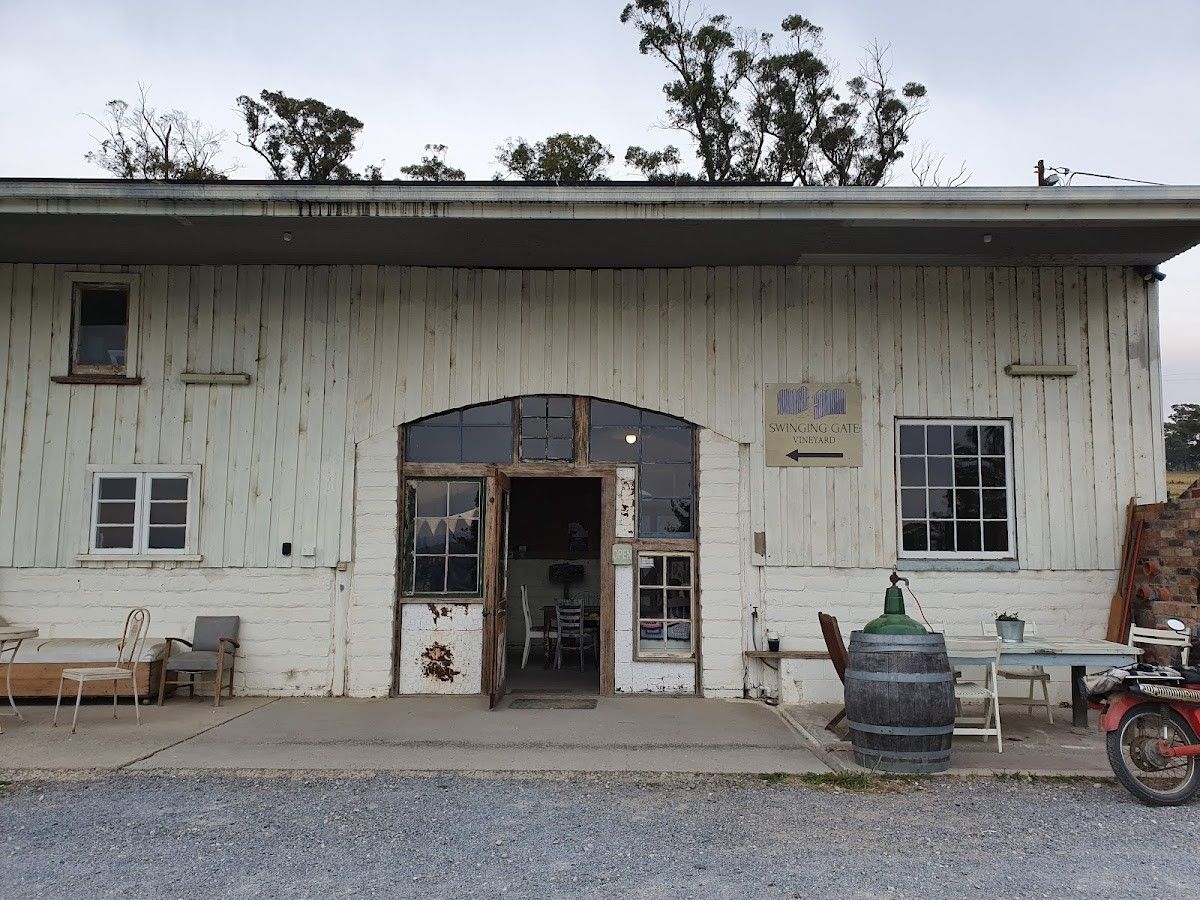
Yes. 24 of the 30 Tasmania wineries with a dog policy on record are dog-friendly, including Loira Vines, Unavale Vineyard, Swinging Gate. Most allow dogs on outdoor patios or lawn areas; a few allow them inside. Call ahead to confirm leash requirements.
Are there wineries with food in Tasmania?
Yes. 52 of the 54 Tasmania wineries with a food policy on record offer food alongside tastings. Having food while tasting helps you assess wines more accurately and extends the experience, worth seeking out, especially for longer visits.
Are there picnic-friendly wineries in Tasmania?
Yes. 16 of the 16 Tasmania wineries with a picnic policy on record have a picnic area. Call ahead to confirm outside-food policies: some estates allow you to bring your own provisions, others have restrictions. Arrive early on weekends for the best spots.
Are there kid-friendly wineries in Tasmania?
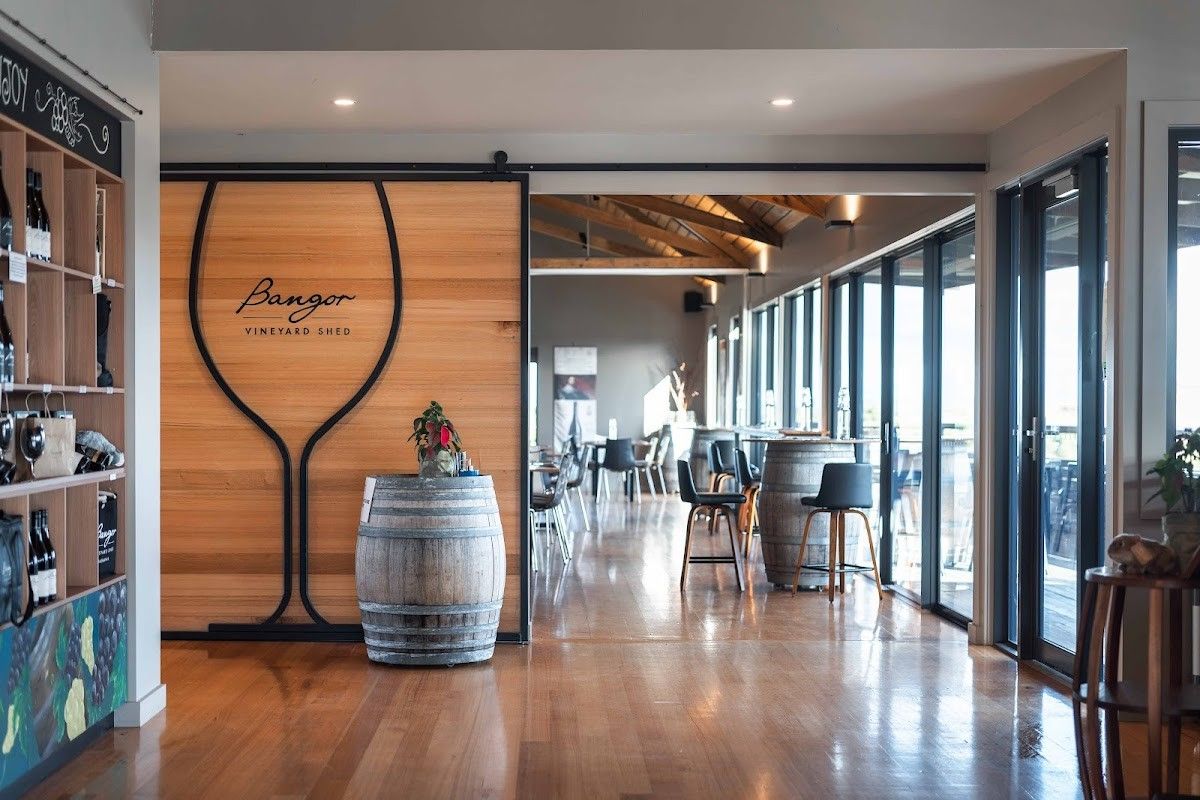
Yes. 14 of the 14 Tasmania wineries with a family policy on record are kid-friendly, including Bundaleera, Priory Ridge Wines, Bangor Vineyard Shed. These estates typically have outdoor space and a relaxed atmosphere suited to visitors with children.
Are there wineries with outdoor seating in Tasmania?
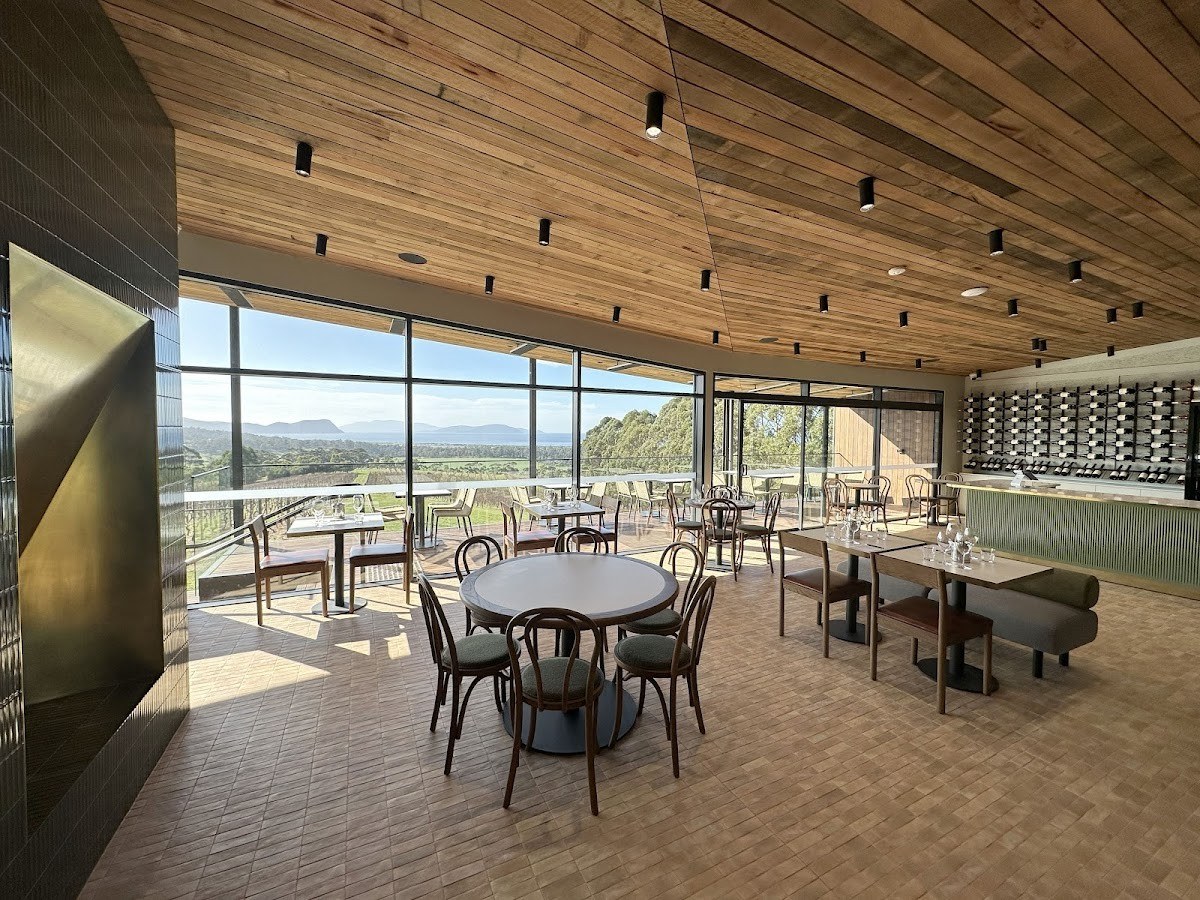
Yes. 39 of the 39 Tasmania wineries with seating on record have outdoor seating. Availability is weather-dependent: the best outdoor tasting experiences are typically April through October.
Are there vineyard tours in Tasmania?
Yes. 12 of the 12 Tasmania wineries with a tour policy on record offer vineyard tours. Tour spots typically fill before standard tasting reservations, so book your tour and tasting together when you reserve.
 Claimed