TASTEMAKERS
Napa Wine Caves You Can Actually Tour
From Spill
18 wineries
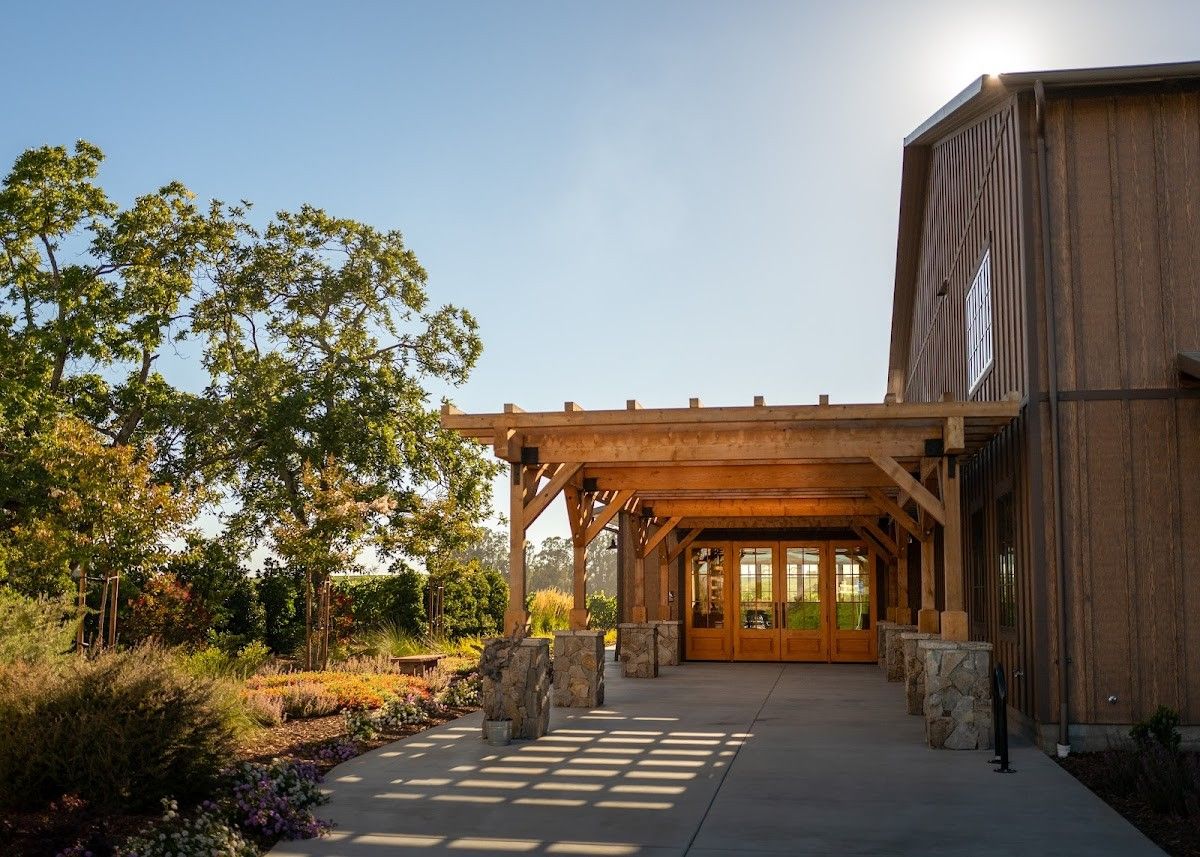
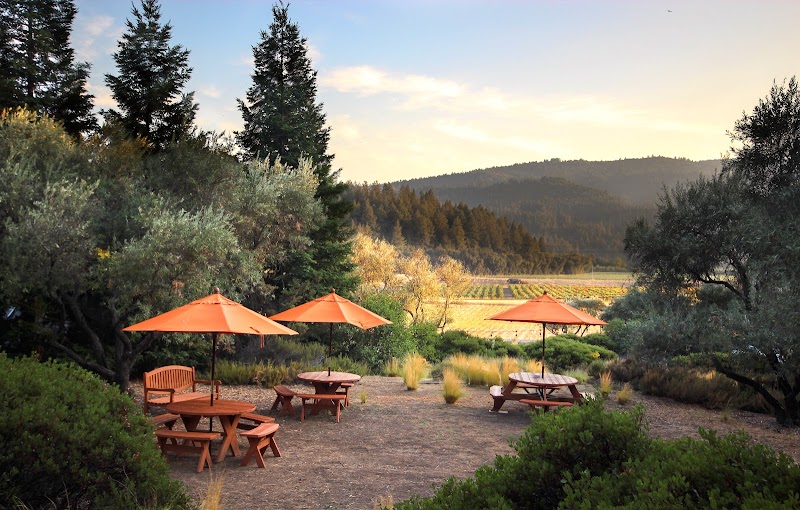
There is a specific hush to tasting underground that nothing above ground has. The temperature drops, the noise from the road disappears, and everybody instinctively lowers their voice.
Napa has more of this than anywhere else in the country, partly geology and partly a century of people deciding a hillside was a good place to put a barrel.
01
What is here
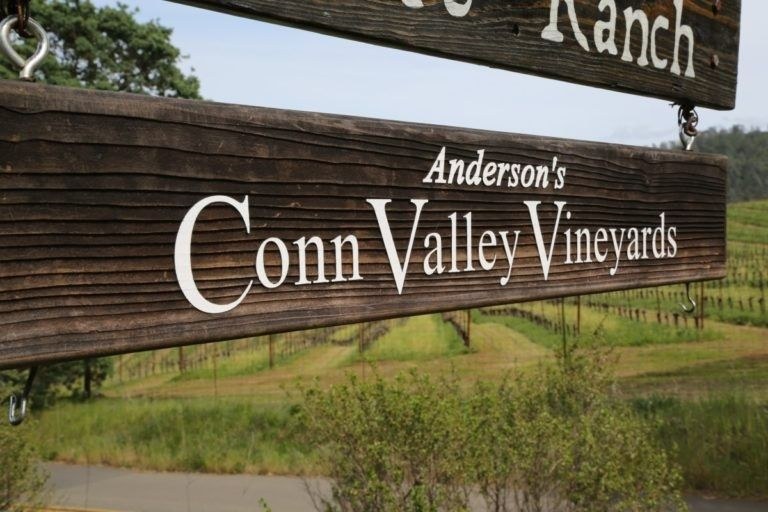
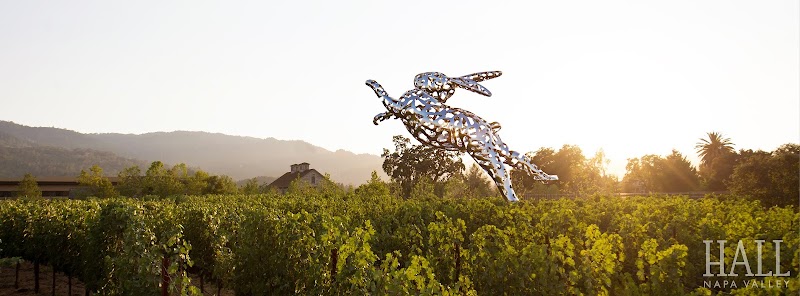
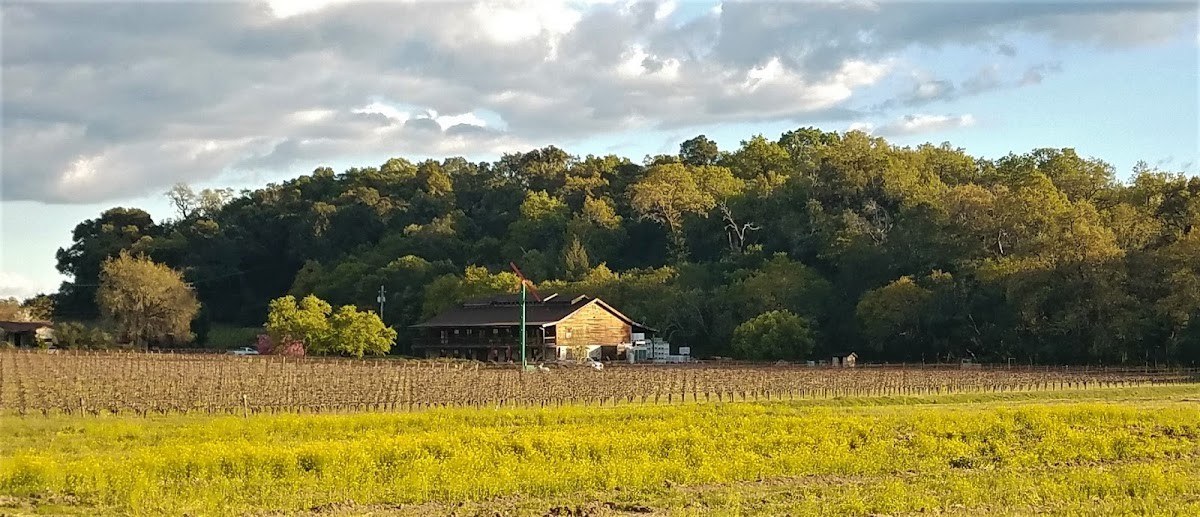
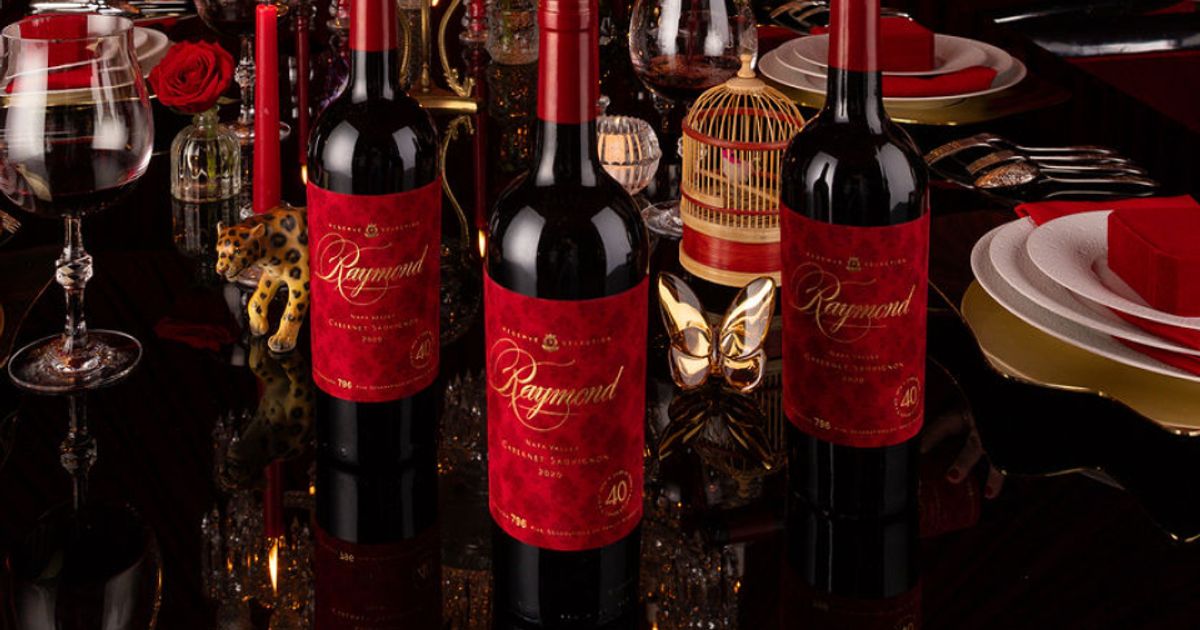
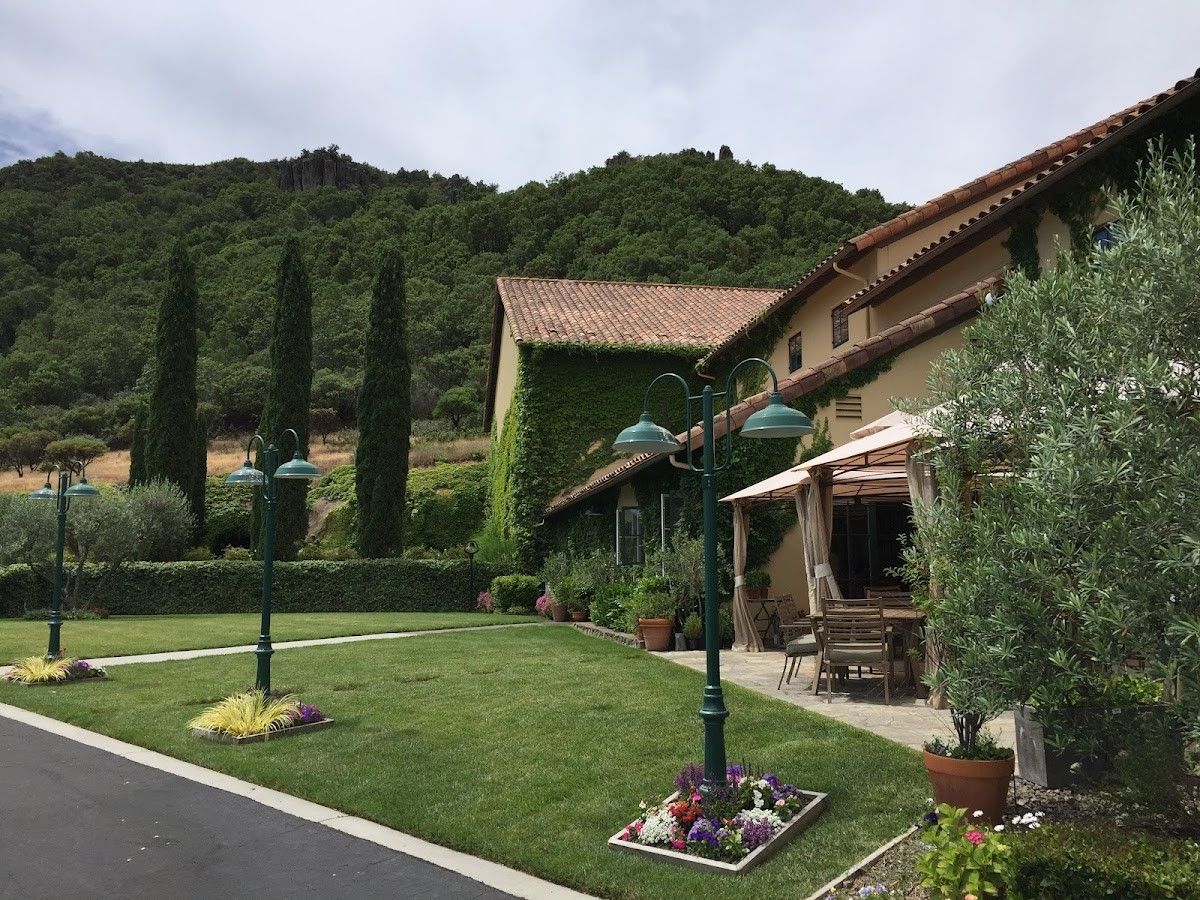
Eighteen estates with caves that visitors can get into, from the hand-dug tunnels the Chinese labourers cut in the 1870s to modern bores that run for hundreds of feet under the vineyards. Raymond, Antinori, William Harrison, Wayne Family and Willis Hall are all on the list, along with Anderson's Conn Valley up in the eastern hills.
02
What to expect
Caves hold steady around 58 degrees with high humidity year round, which is the entire reason they exist. Bring a layer even in August, especially if you have been outside in the valley heat, because the transition is abrupt.
Most cave tastings are seated and appointment based. This is one category where the reservation requirement is doing real work, because the space is finite and the walkways are narrow.
03
One thing to know
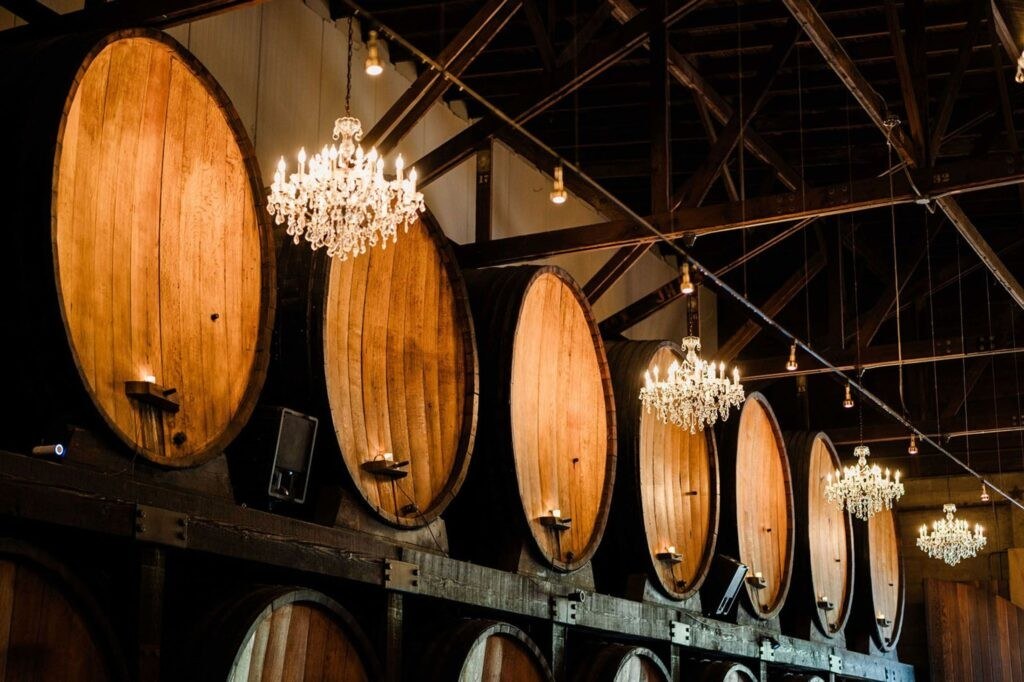
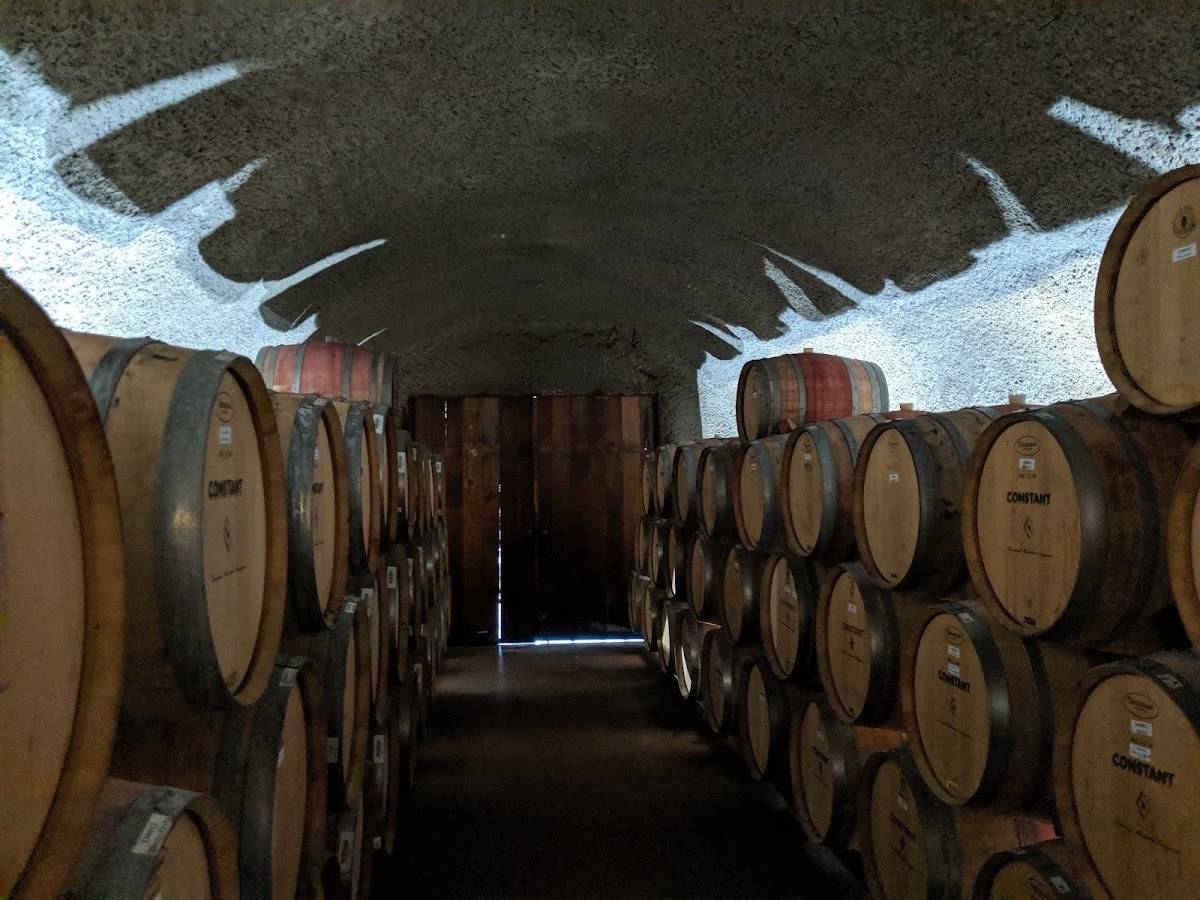
A cave is not automatically a better tasting. Some are functional barrel storage with a table at the end. Others were designed as rooms to sit in. The photographs on each Spill page tell you quickly which kind you are looking at.
Current hours and tasting details for all eighteen are on Spill.
04
A short history of why Napa is full of tunnels
The first caves were dug by Chinese labourers in the 1870s and 1880s, hand-cut into hillsides because refrigeration did not exist and stone held a steady temperature for free. Many were abandoned after phylloxera and Prohibition and sat unused for most of a century.
The modern wave started in the 1980s, when tunnel-boring equipment borrowed from mining made it cheap enough to dig again. Napa now has more winery cave footage than anywhere else in the country.
05
What a cave tasting is actually like
Cool, quiet and dim. Sound behaves strangely, conversations carry further than you expect, and most people drop their voice without being asked.
The temperature is the practical thing. Caves hold near 58 degrees with high humidity all year, so the step down from a 95 degree August afternoon is sharp enough to be startling. A layer is not optional.
06
Booking
Nearly all cave tastings are seated and reserved. The space is finite and the walkways are narrow, so this is one of the few places where the reservation requirement is doing honest work rather than managing demand.
07
More in this guide

Good to know
What days are they open?
All 15 with posted hours are open Thursday and Friday.
Do I need a reservation?
Every winery here with a posted policy asks you to book ahead.
How much is a tasting?
Posted tastings run $10 to $275, with Anderson's Conn Valley Vineyards at the low end.
What regions does this list cover?
Napa Valley, Calistoga, St. Helena, Rutherford and Coombsville, and more.