About Blossom Winery
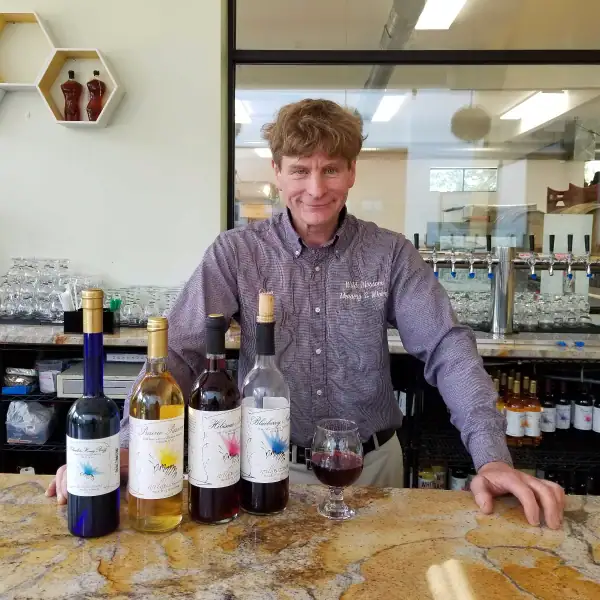
Wild Blossom is Chicago's first winery and Illinois's first meadery, specializing in mead made with locally sourced honey and water from Lake Michigan. The operation raises its own bees and emphasizes sustainability, with each bottle sold contributing to pollination of millions of flowers. The venue offers a tasting room with regular public hours, events, classes, and private event rentals.
Tasting Experiences
Tasting Room Visits
Sample meads at the tasting room. Reservations not required for groups under 8, but recommended for larger parties.
Weekly Tours
Book a weekly tour of the meadery to learn about mead production.
Winemaking Classes
Learn the craft of mead and spirit making through hands-on classes.
Private Event Rentals
Rent the venue for private events and celebrations.
Mead Club
Quarterly shipments of four bottles including two exclusive limited-edition meads, with complimentary monthly tastings and discounts. $99.95 per quarter.
420 Patio Pup Party
Free event featuring Delta-9 THC-infused honey drinks, dog-friendly outdoor patio, and specialty cocktails.
When to visit Blossom Winery
Good to know about Blossom Winery
Can you visit Blossom Winery? Is there a tasting room?
What is Blossom Winery known for?
What wines does Blossom Winery specialize in?
Do you need a reservation to visit Blossom Winery?
Does Blossom Winery serve food?
Does Blossom Winery have a picnic area?
Is Blossom Winery dog-friendly?
Does Blossom Winery offer vineyard tours?
Does Blossom Winery host group tastings?
Does Blossom Winery host private events?
Do I need to be a wine club member to visit Blossom Winery?
Where is Blossom Winery located?
When was Blossom Winery founded?
What are Blossom Winery's tasting hours?
Does Blossom Winery have outdoor seating?
What sustainability practices does Blossom Winery follow?
Where to find Blossom Winery
Blossom Winery is at 9030 S. Hermitage Ave, Chicago, IL, United States.