Calistoga
Davis Estates
Added and saved here. Sign in to access it anywhere.
TASTEMAKERS
9 wineries
A wine cave in Napa can mean two very different things. Sometimes it is a functional storage tunnel, cut into a hillside decades ago because barrels need a stable 58 degrees and cellars are expensive to refrigerate. Sometimes it is the entire point of the visit, an architectural statement built underground on purpose, with lighting and stonework designed for the walk-through as much as the wine.
The wineries below are the ones where the cave is part of the visit, not just where the barrels are kept.
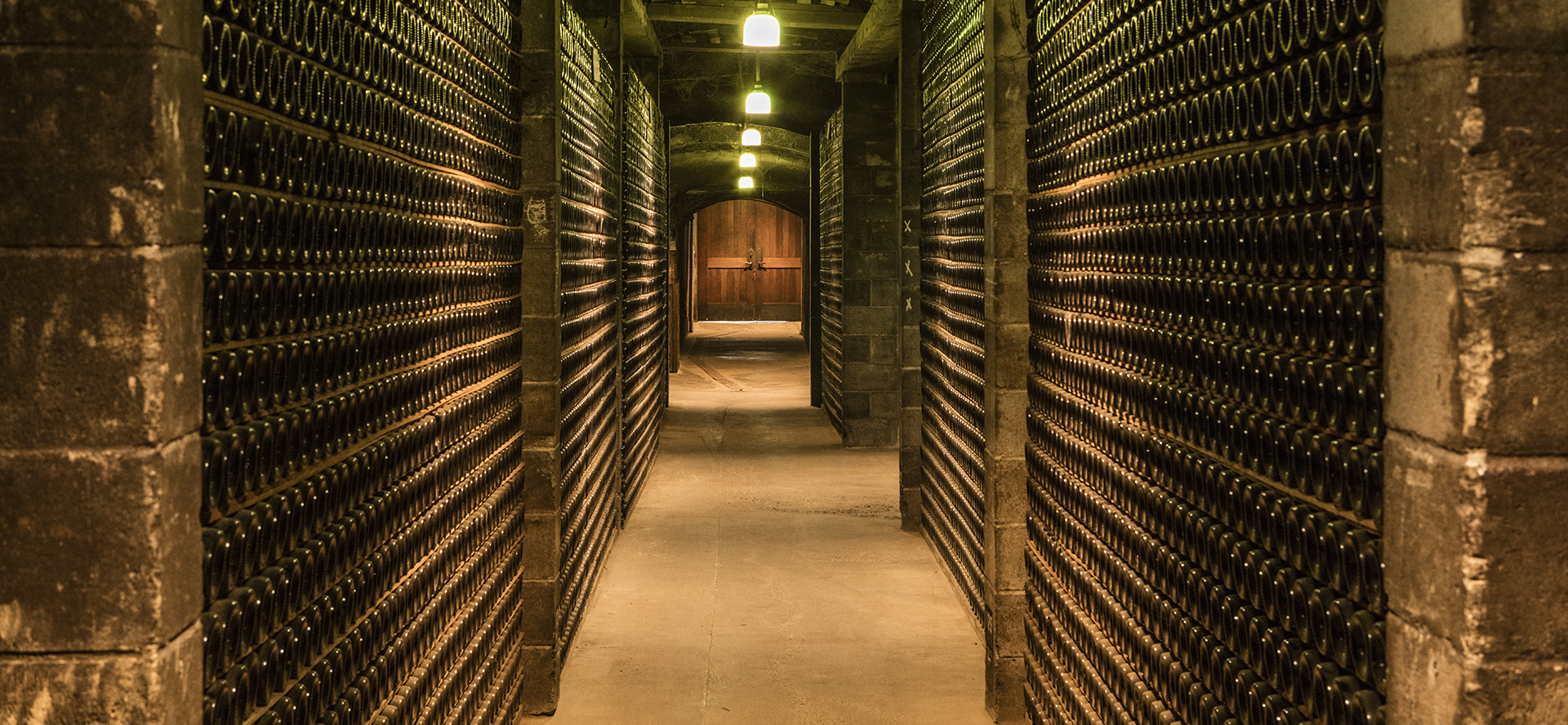
Schramsberg has the oldest caves in the valley. The first tunnels went in during 1870, a second set in 1881, and the pick marks left by the men who cut them are still visible in the volcanic rock. Every tasting here is a cave tour, roughly 34,000 square feet of it, and the house still keeps a hand riddler on staff to turn bottles of sparkling wine the way it was done before machines did it. From November through April, the tasting itself moves underground.
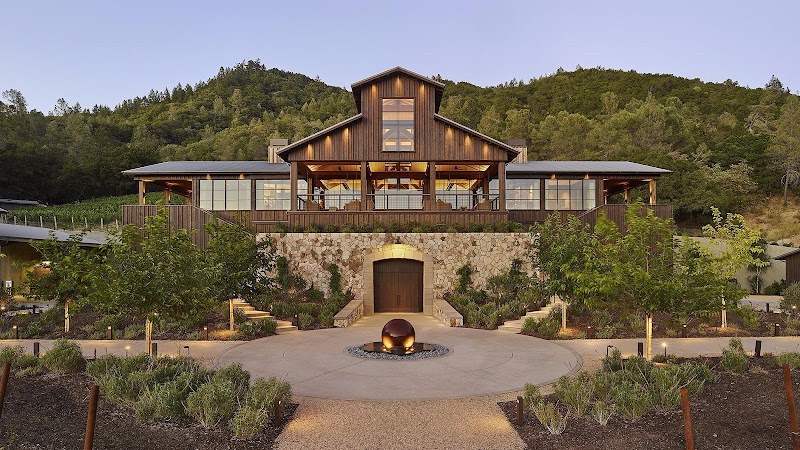
Davis Estates sits at the other end of the timeline. Mike and Sandy Davis bought a fire-damaged property in 2011 and spent five years putting 11,000 square feet of cave underneath it, designed by Howard Backen. About a hundred feet down is the Cellarium, a glass and steel octagon set inside a round cave chamber, opened by a scanner that reads the veins in a member's hand. One wall was left unfinished on purpose so the chisel marks the drill left in the volcanic ash still show. Two chambers can be temperature controlled on their own, which lets small lots ferment in the same rock the wine ages in.
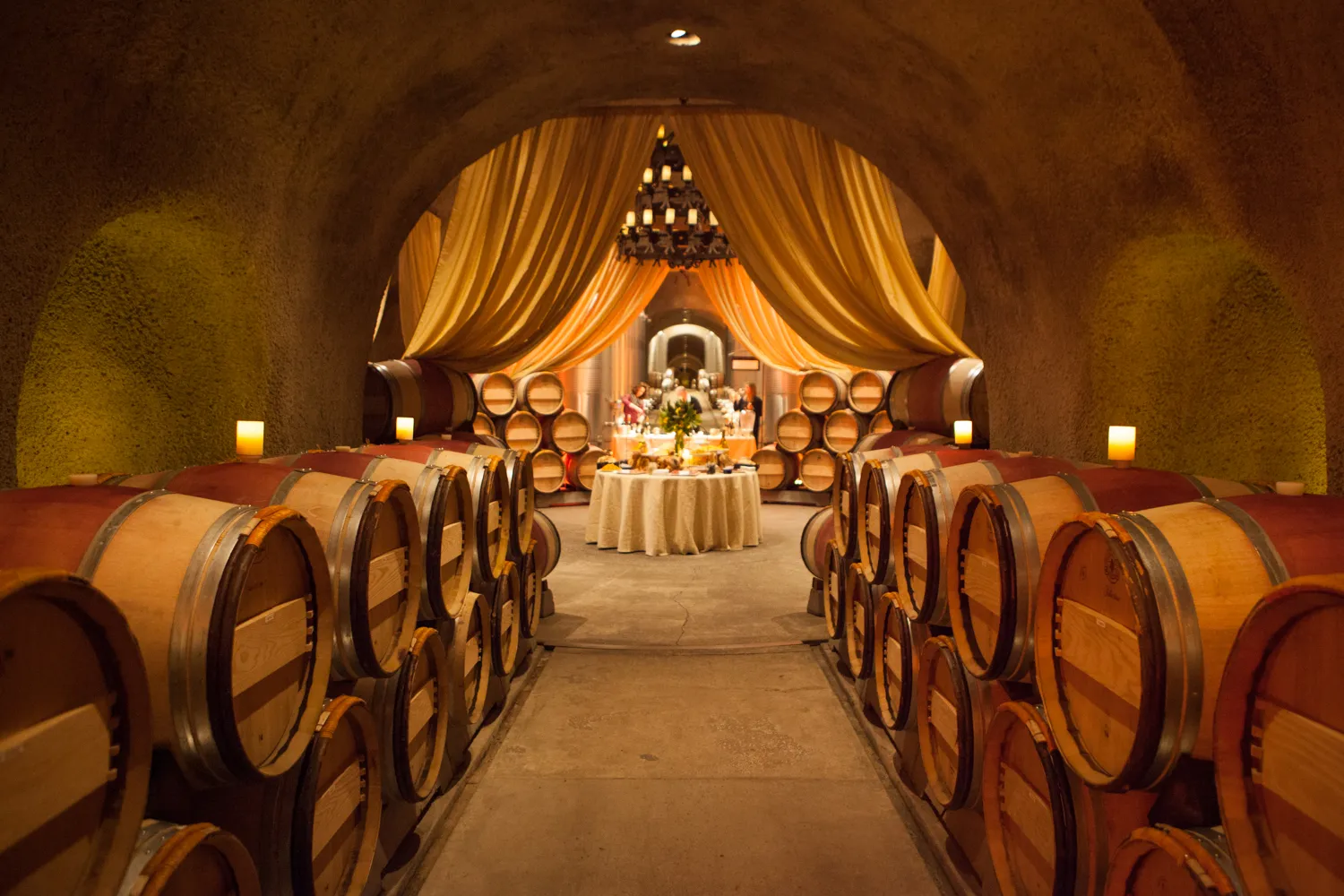
Del Dotto built into the valley floor instead of a hillside, which almost nobody in Napa does, setting the foundation sixteen feet down and lining the whole thing in marble. Murano chandeliers hang over the barrels and the tile underfoot was salvaged from three hundred year old villas in Lucca. The tasting is pulled straight from the barrel with a thief, the same wine from French oak and then from American oak, so the comparison is the entire format.
Far Niente is where the modern era started. The first new wine cave dug in Napa after Prohibition went into this hillside in 1980, a sixty foot tunnel that kept going for the next twenty years and ended up past 40,000 square feet. You reach it down a narrow wooden staircase inside the 1885 stone winery. The acoustics came out strange enough that in some spots a normal speaking voice sounds amplified, and the crew still runs a string along the barrel rows to keep them straight.
Inglenook has been here since 1879, and its caves are the newest thing about it. The Infinity Cave was drilled in 2003 for barrel aging. The Italia Cave, named for Francis Coppola's mother, broke ground in 2018 and was first used for the 2022 harvest. It holds 120 fermentation tanks, one for every block on the estate, running from half a ton up to twenty seven. The cave tour walks both before the tasting settles into the original cellars.
Quintessa keeps 17,000 square feet of cave under its hospitality center, though only one of its experiences takes you through it. The building above earns a look on the way in. It is a crescent set into the hillside so tractors can drive onto the roof terrace and tip fruit in from the top, letting gravity move it down through fermentation instead of a pump.
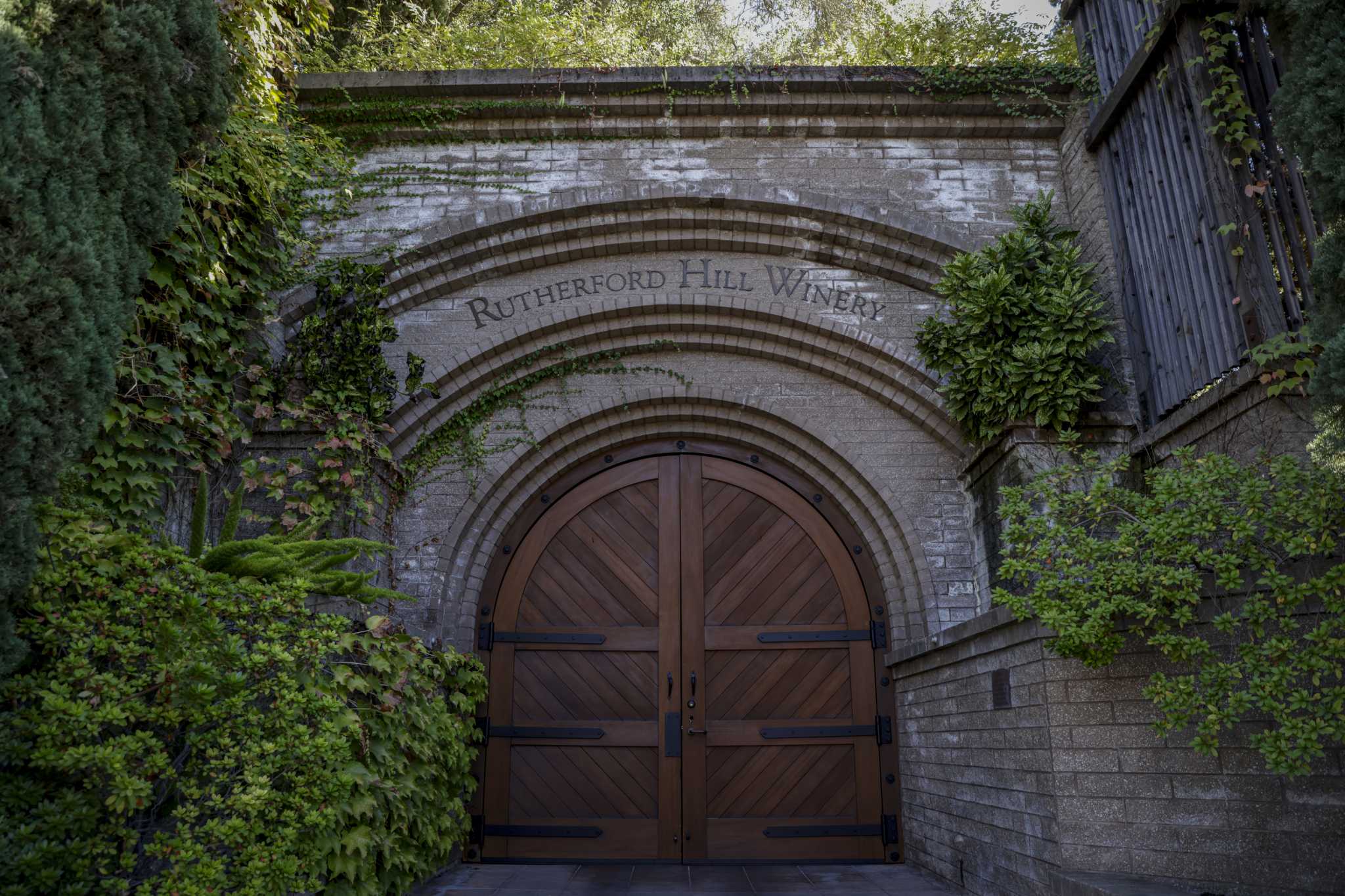
Rutherford Hill runs nearly a mile of tunnels, and the reason is plainly practical. The winery was losing wine to evaporation from barrels stored in a warehouse. Underground, eight thousand barrels now sit at 59 degrees and ninety percent humidity, and the problem went away. The tour covers the length of it.
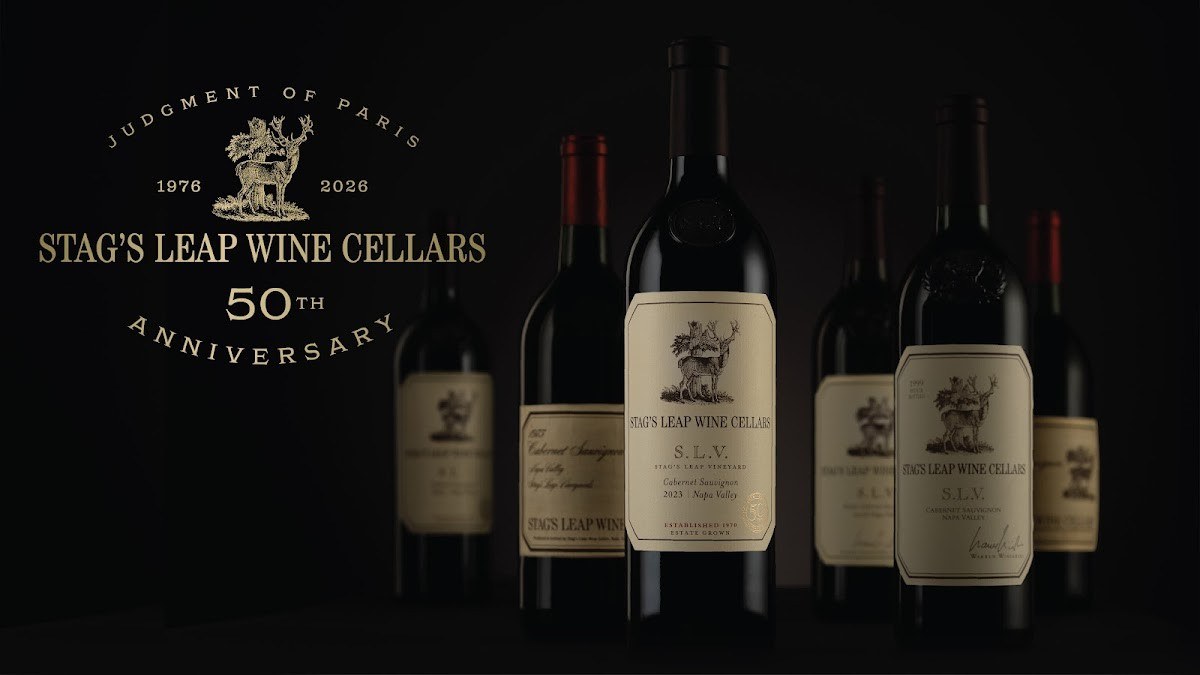
Stag's Leap Wine Cellars started excavating in 1996 and finished in 2000. The tunnels are laid out to mirror the valley's main roads, which is the kind of thing you notice only after someone says it. The entrance, called the Arcade, was designed by the Barcelona architect Javier Barba, and the Great Room at the end of it has hammered copper sconces and quartzite floors. Every cave experience here walks the tunnels before anyone sits down.
Pine Ridge pours 130 feet underground. The caves run past 32,000 square feet, cut through volcanic rock and gravelly loam, holding 60 degrees and 75 percent humidity with no help. There is a Chihuly glass piece installed down there and a lounge called Cellar 47, named for the 47 estate acres the winery farms in the district. It was the first cave its excavator ever drilled. He went on to do more than fifty others in Napa. The caves are adults only.
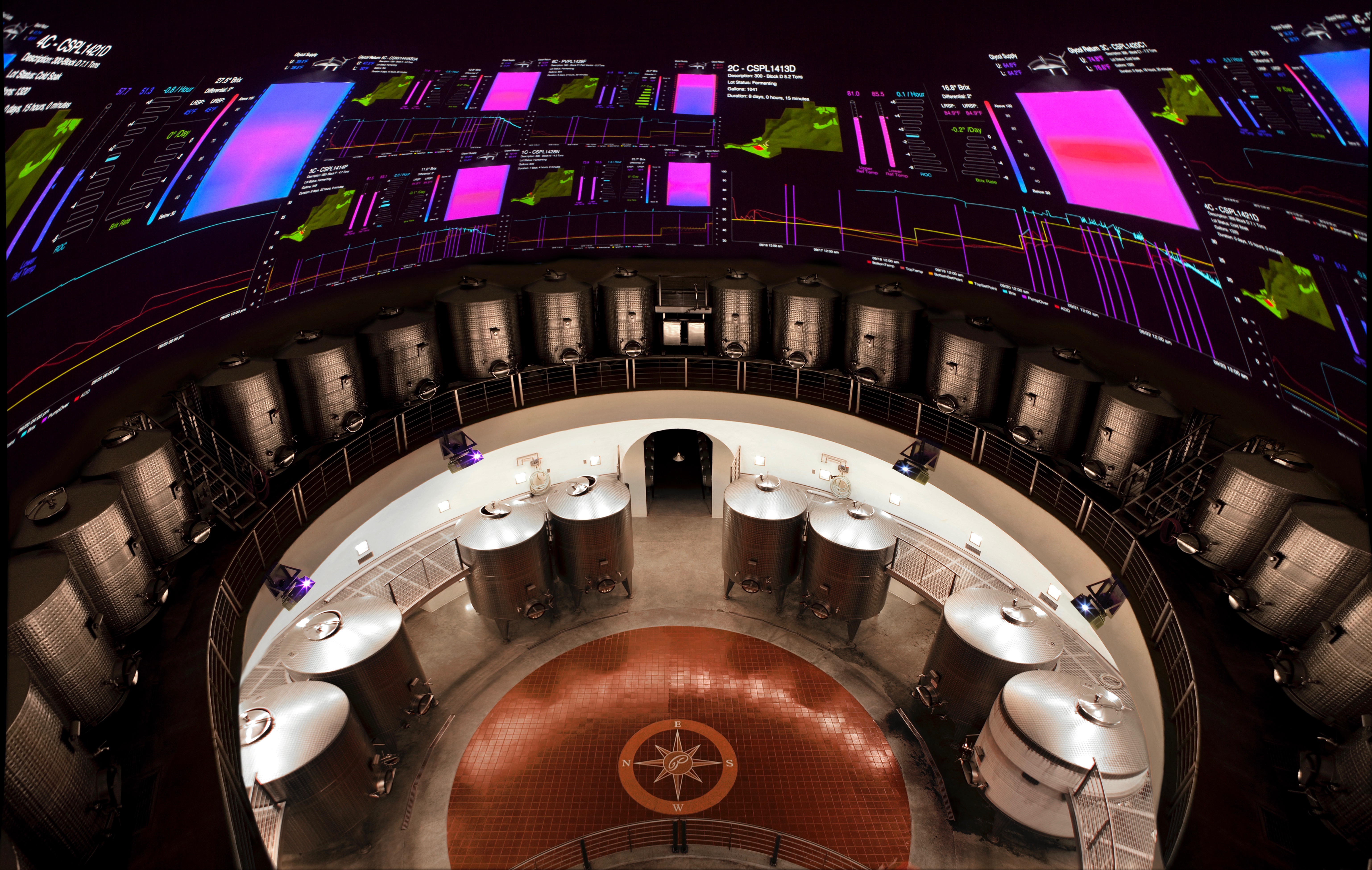
Palmaz Vineyards goes eighteen stories into the flank of Mount George, which makes it less a cave than a building nobody can see. At the center is a fermentation dome ringed by 24 tanks, and the whole design runs on gravity so the wine never meets a pump. Tastings happen in small rooms several floors underground, by appointment.
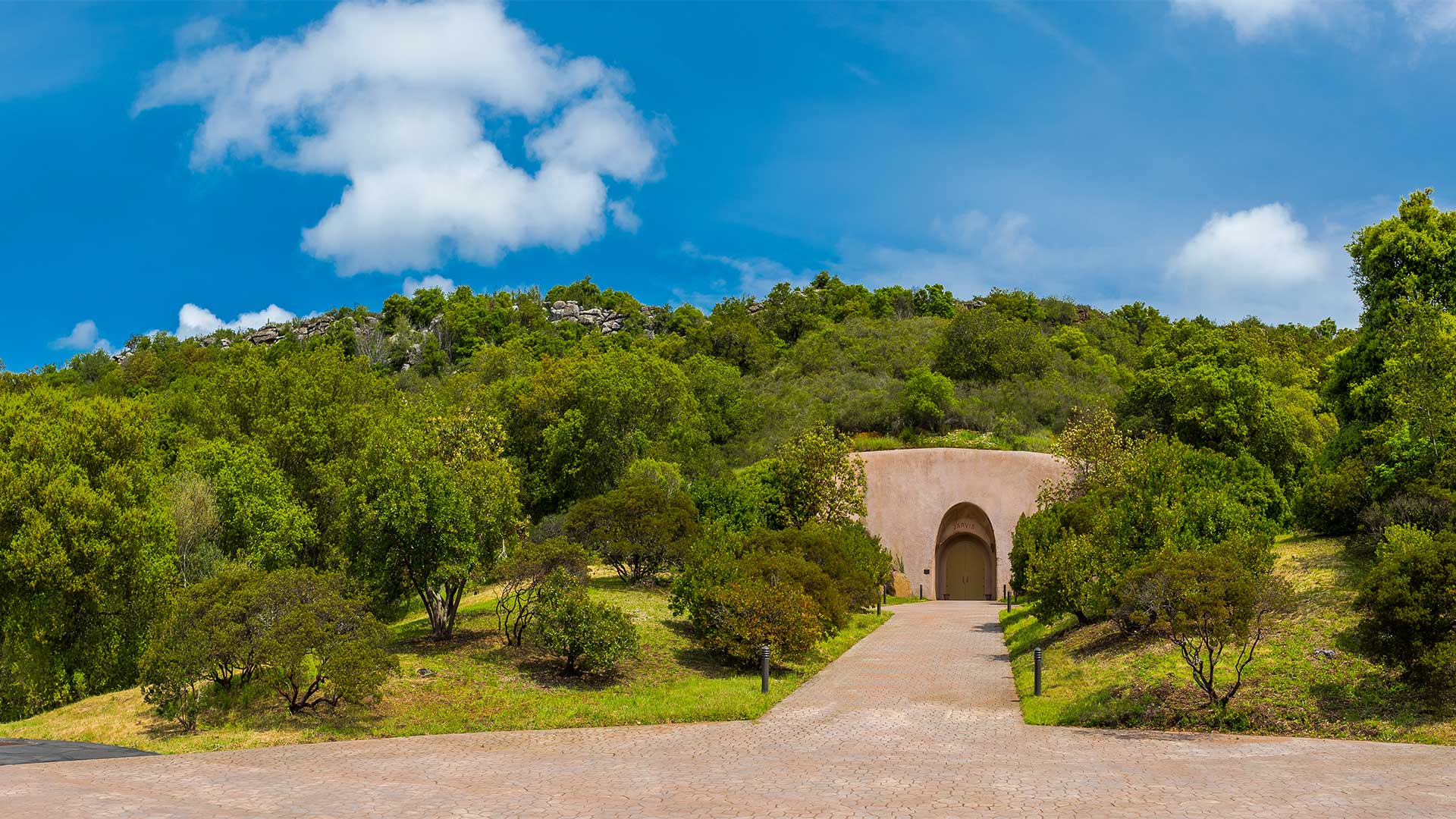
Jarvis put the entire winery below the surface, 45,000 square feet tunneled into the Vaca Mountains, the first in the country cut large enough to hold a complete winemaking operation rather than just barrels. Every tunnel is a true parabola, a shape that holds itself up without support. The drill hit a natural spring partway in, so they kept it. It falls as a waterfall and runs the length of the floor as a stream, and it is doing a job, holding the humidity where the barrels want it. You cross it on a stone bridge to reach the tasting room.
Porter Family Vineyards is 515 feet of winery buried fifty feet under a hill in the middle of its own vineyard, with two entrances and nothing else on the surface to give it away. During the drilling a slab of sandstone came down in front of the boring machine carrying the fossilized footprints of a sandpiper, five million years old. There is a wine named after it now. Visits are by appointment, arranged directly with the winery.
The engineering varies wildly. The effect does not. A cave holds its temperature in August and in February without spending a watt on it, which is the reason the first ones were dug and the reason the newest ones still get built. The difference now is that you are allowed inside while the wine is working.