TASTEMAKERS
Family-Run Wineries People Keep Naming
From Spill
22 wineries
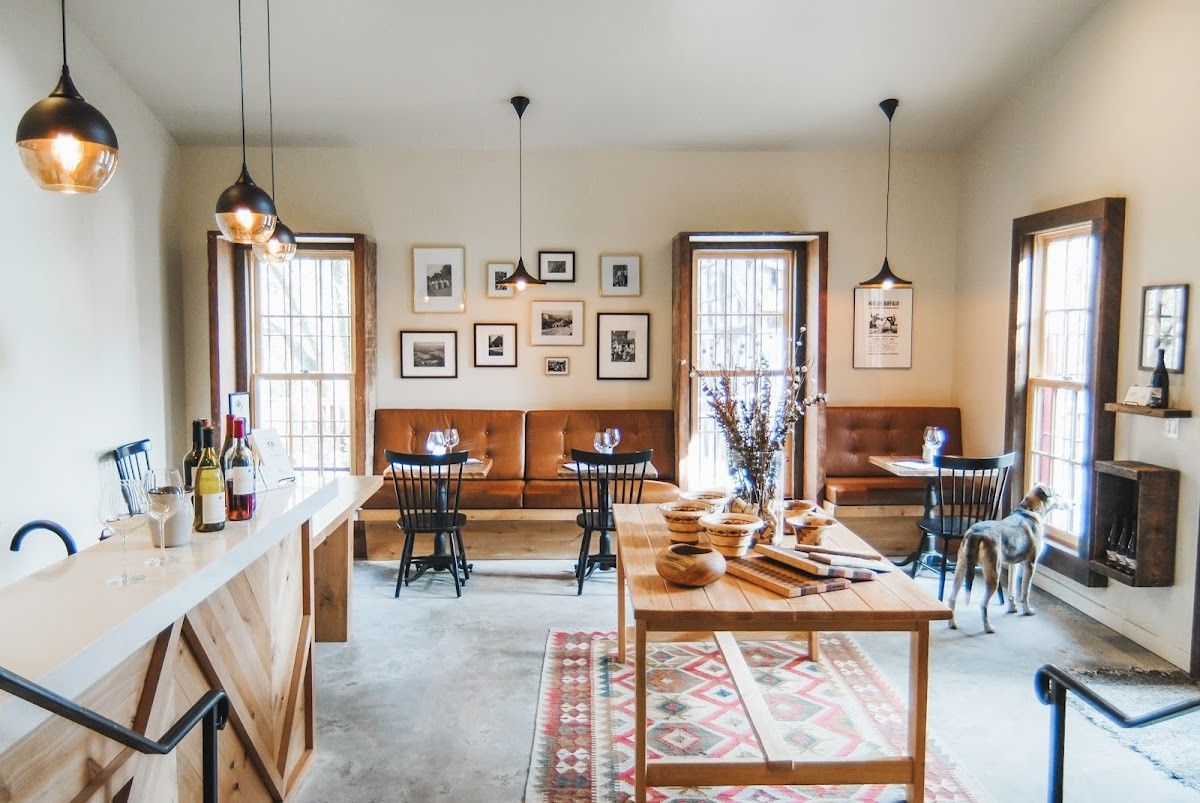
We said we wanted family-run wineries properly represented and asked for favourites. The replies went global inside an hour.
That surprised us slightly. The assumption behind the question was California. What came back included Gaillac, Veneto, Mendoza, Marlborough and the Rhone.
01
California
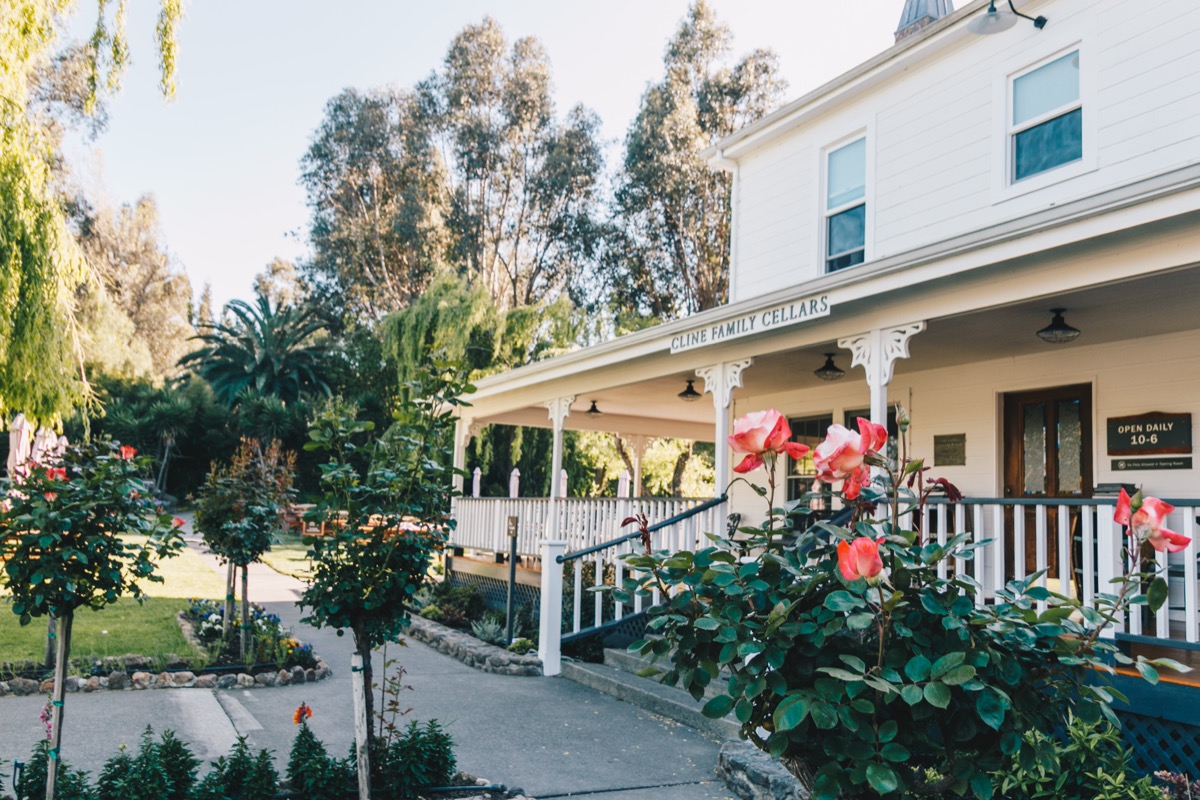
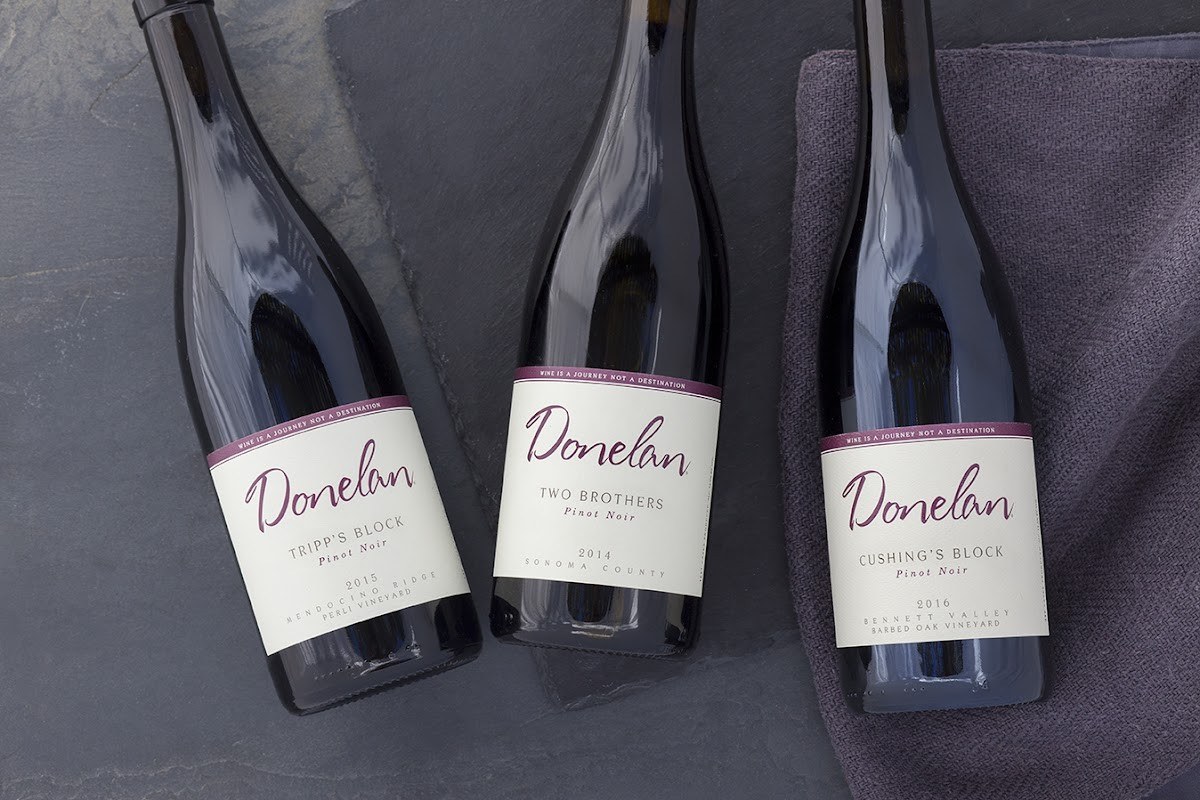
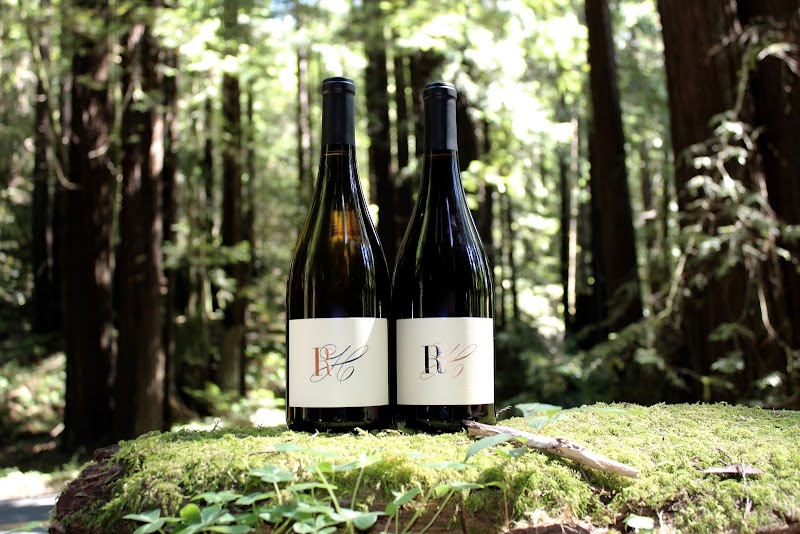
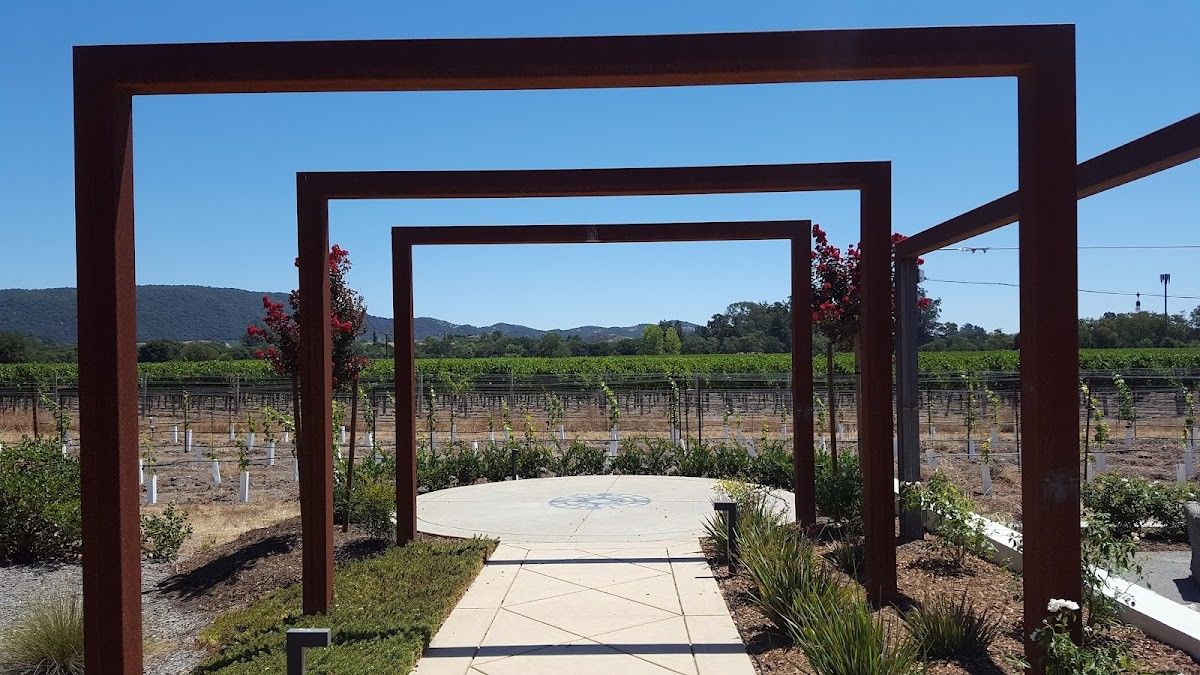
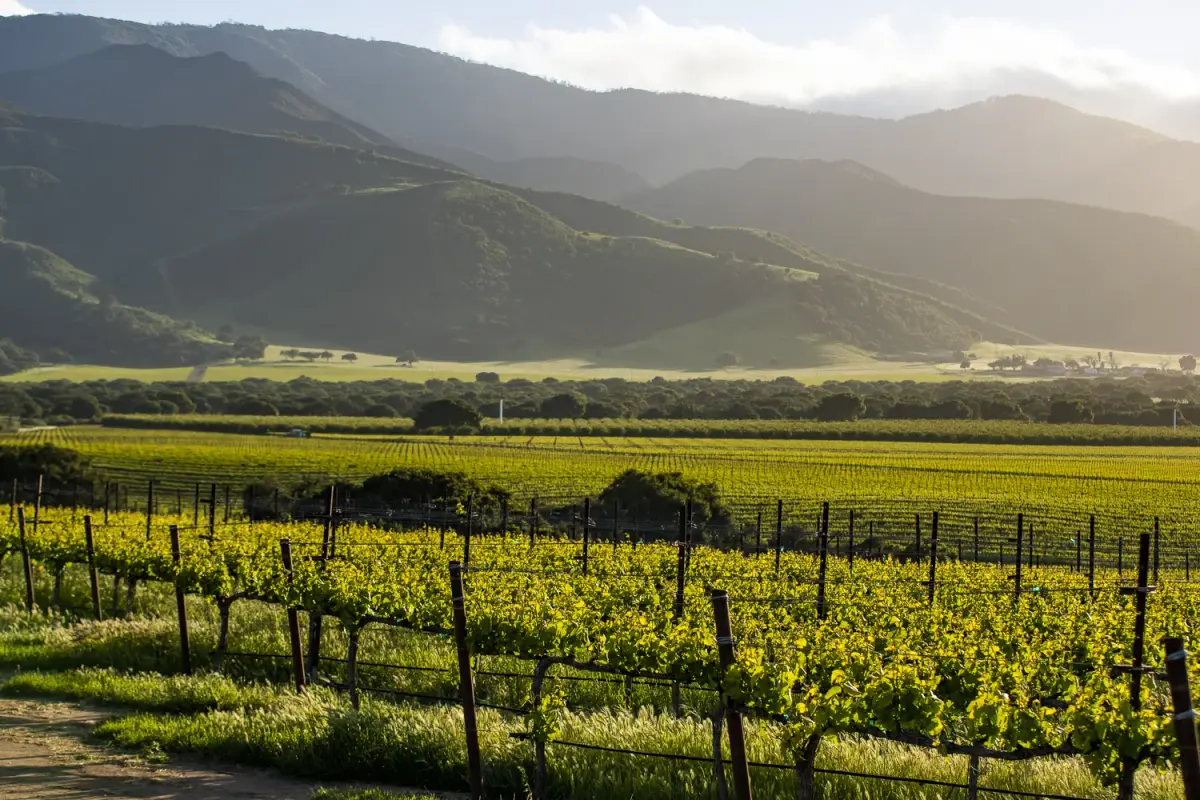
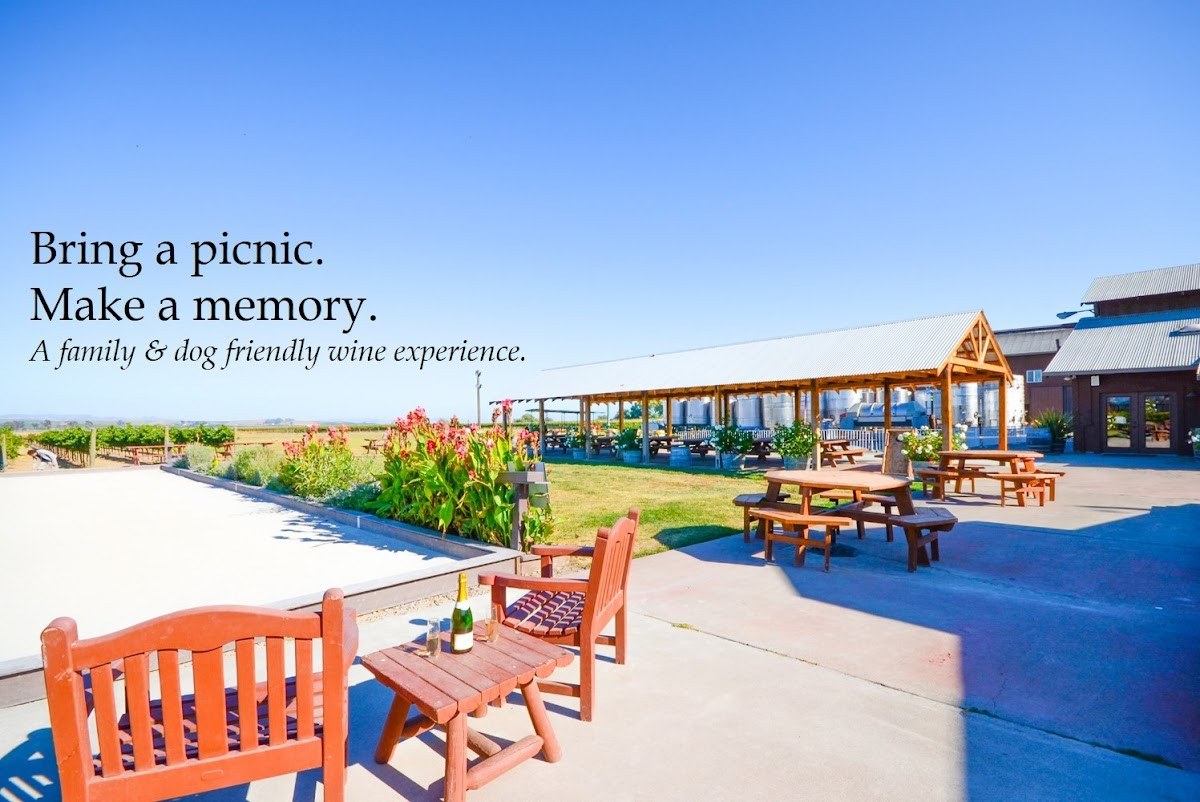
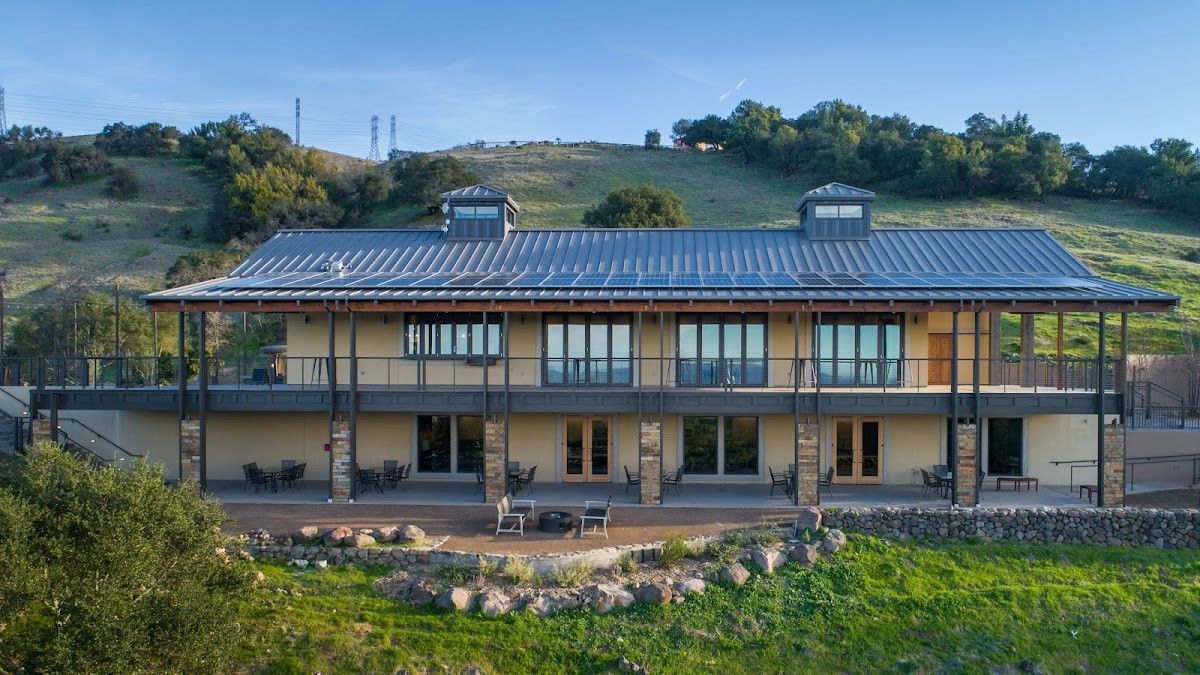
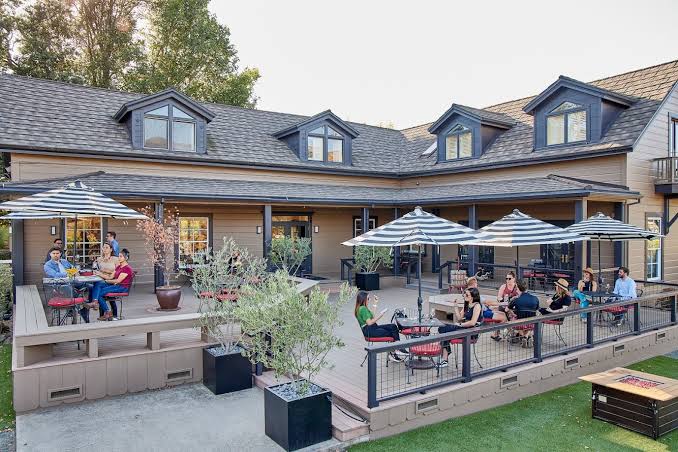
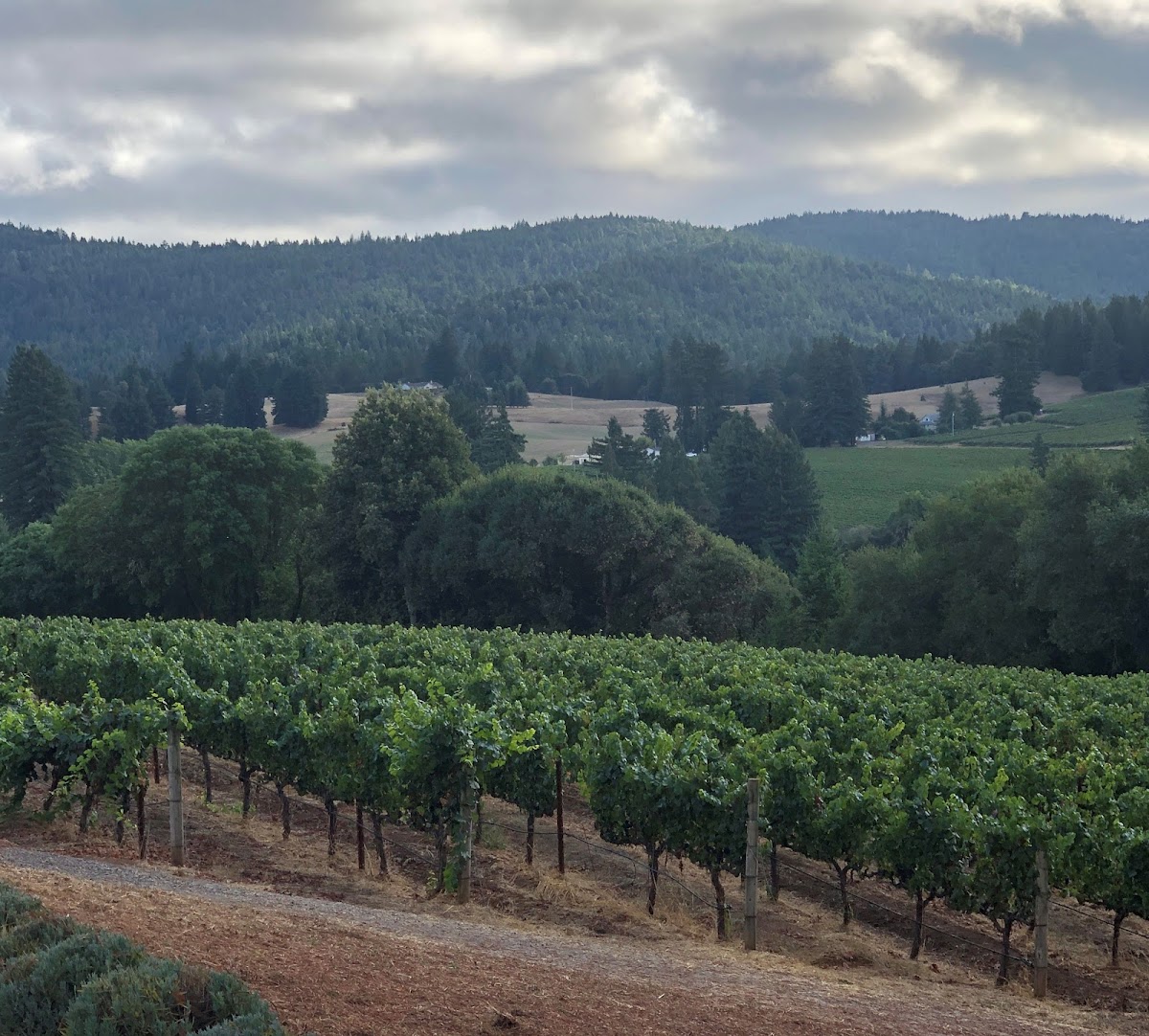
Donelan, Read Holland, Patz and Hall, Rexford, Schermeister, Roche, Lang and Reed, Larson, Rodney Strong, Paradise Ridge, Cline and Muscardini. Some are three people and a barrel room. Some have been running long enough to have a second generation making the calls. Brashley up in Anderson Valley rounds it out.
02
Further afield
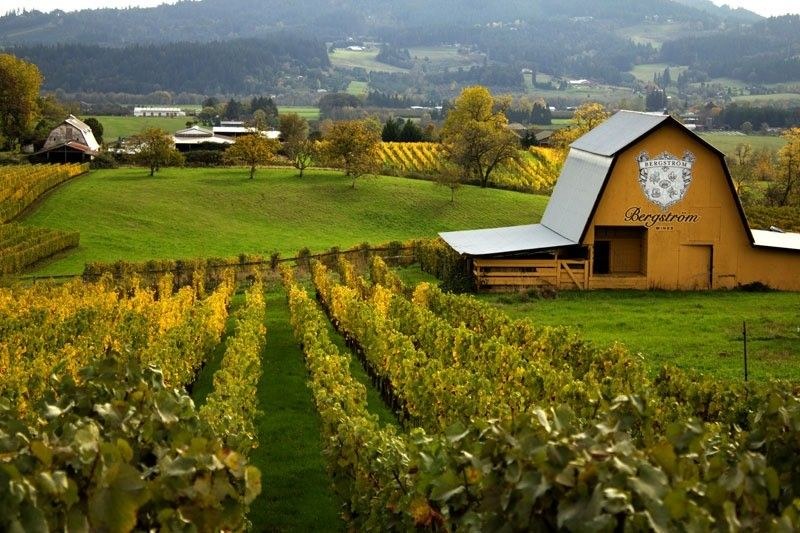
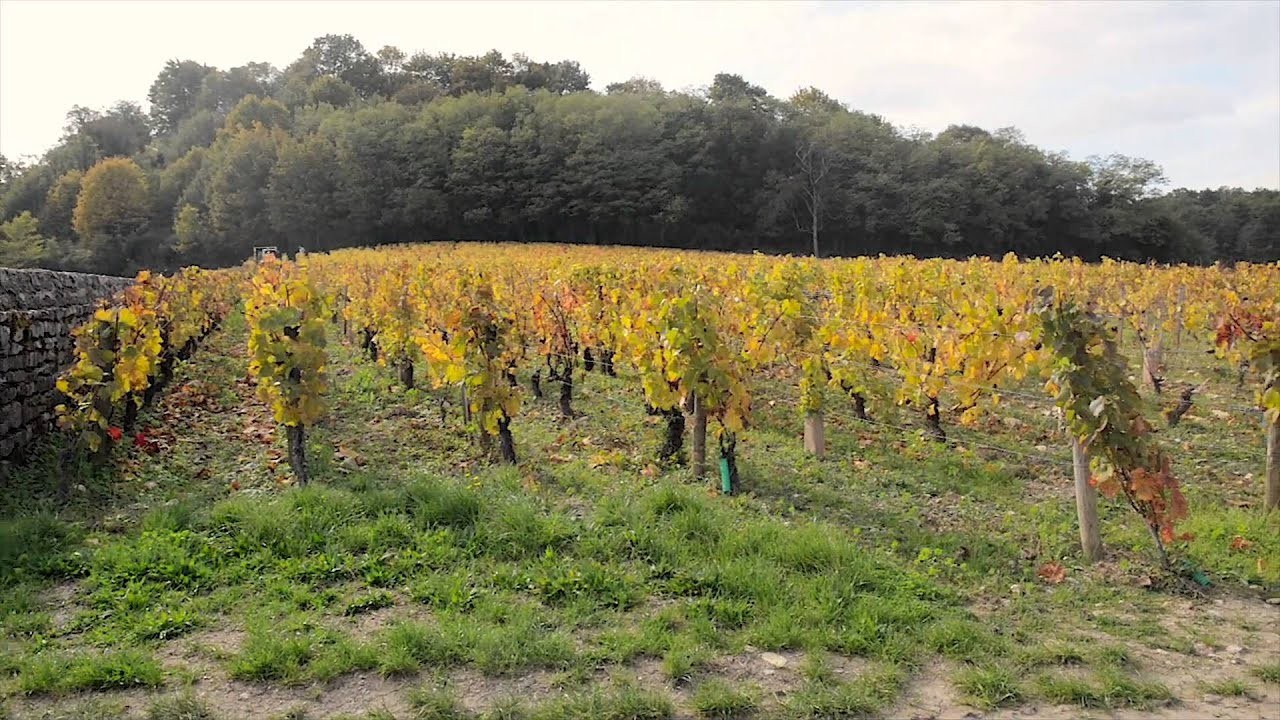
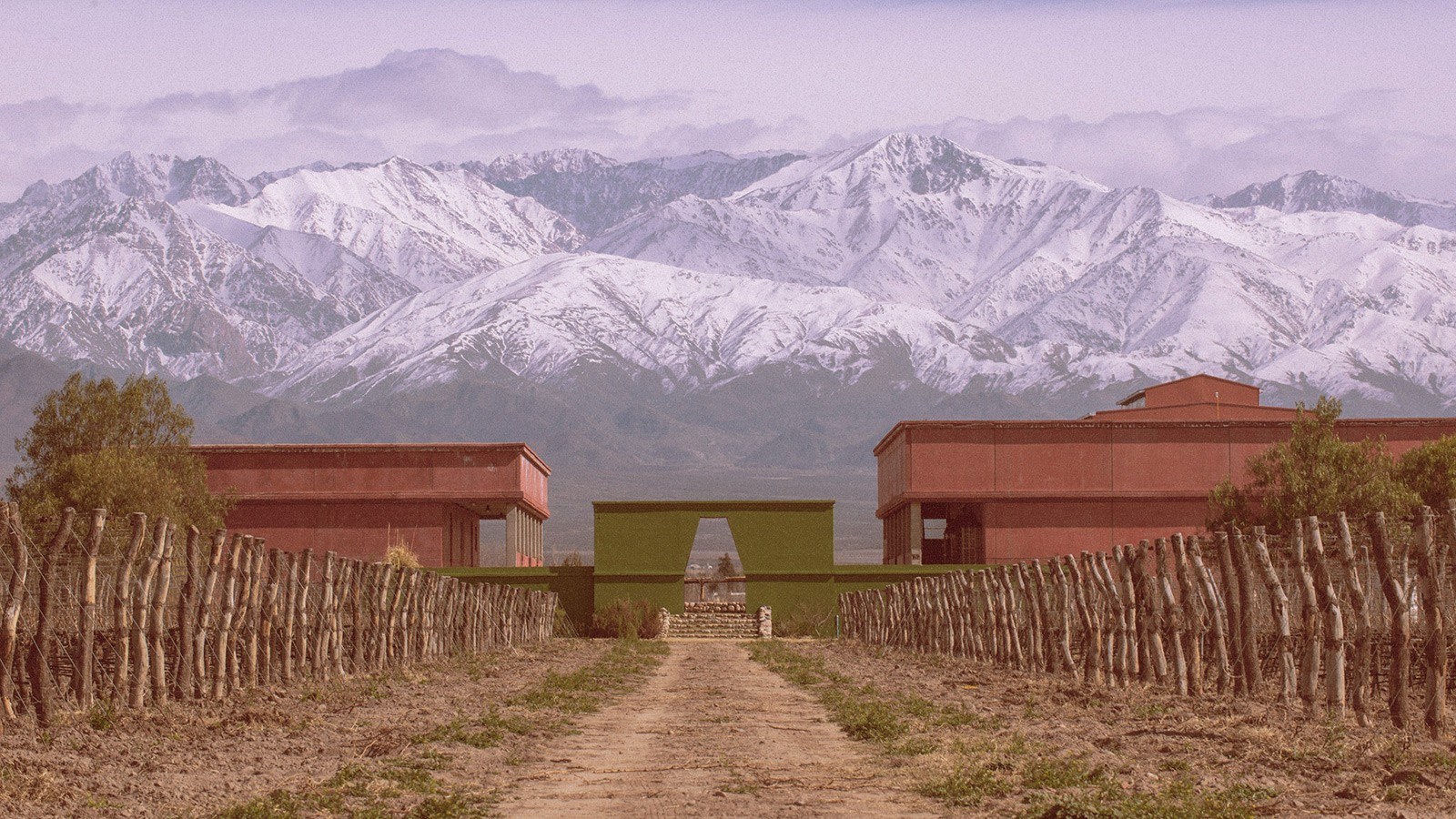
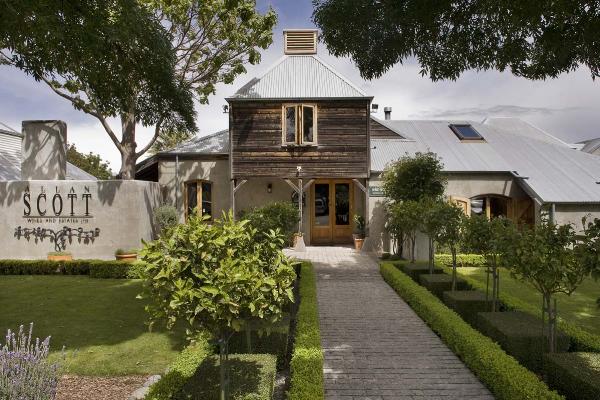
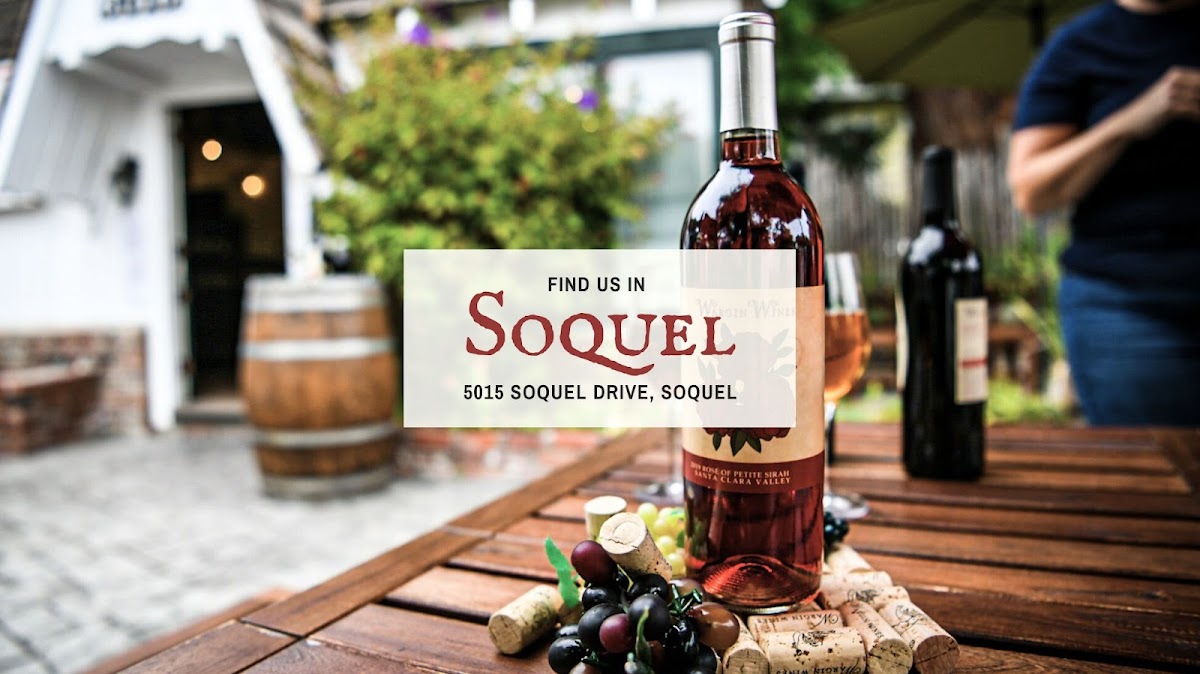
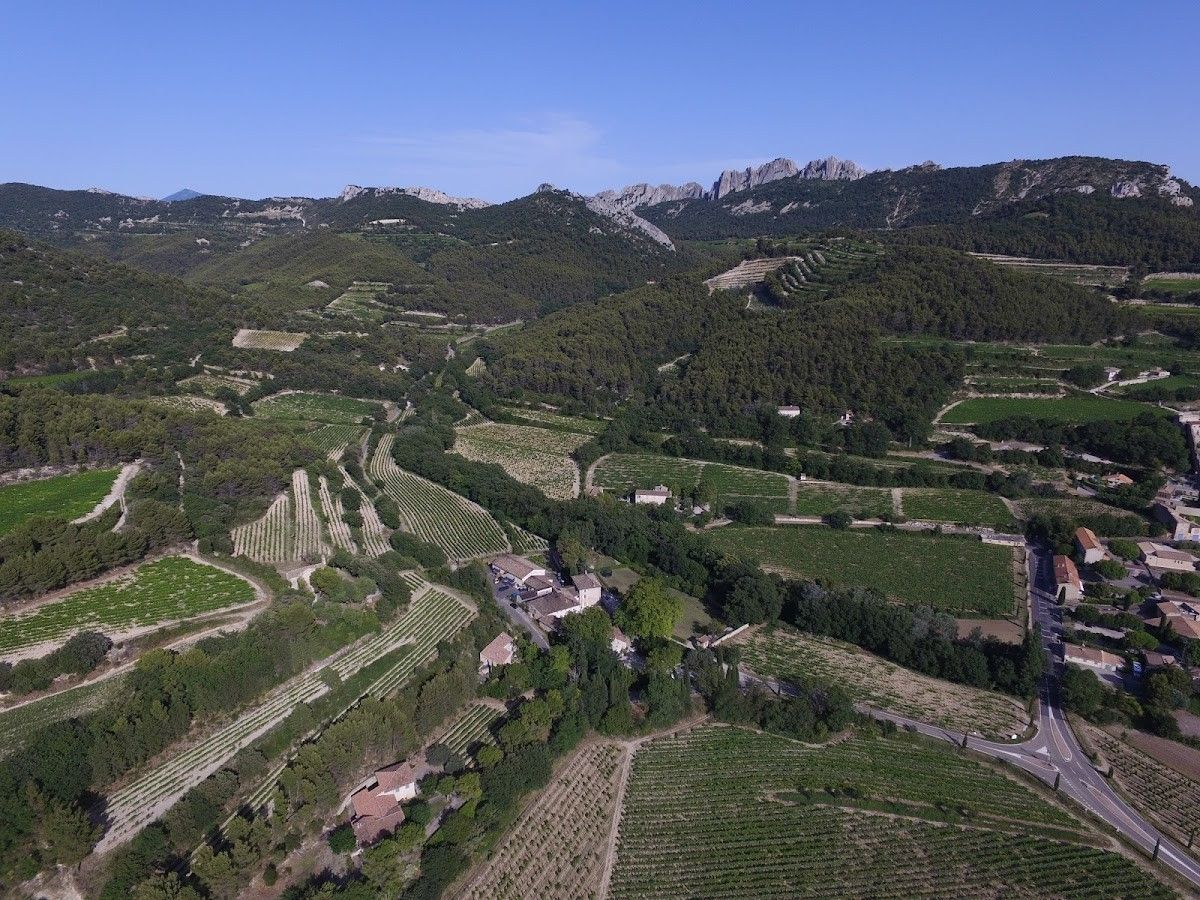
Bergström farms in the Dundee Hills. Domaine du Moulin de Foulot works in Burgundy. Zenato is Veneto, Ernesto Catena is Mendoza, Allan Scott is Marlborough, Chateau de Saint Cosme is in the southern Rhone. Wargin Wines nominated itself, which we allowed, because a winemaker who reads the room and speaks up has already told you something about how they run the place.

03
Why family-run keeps mattering
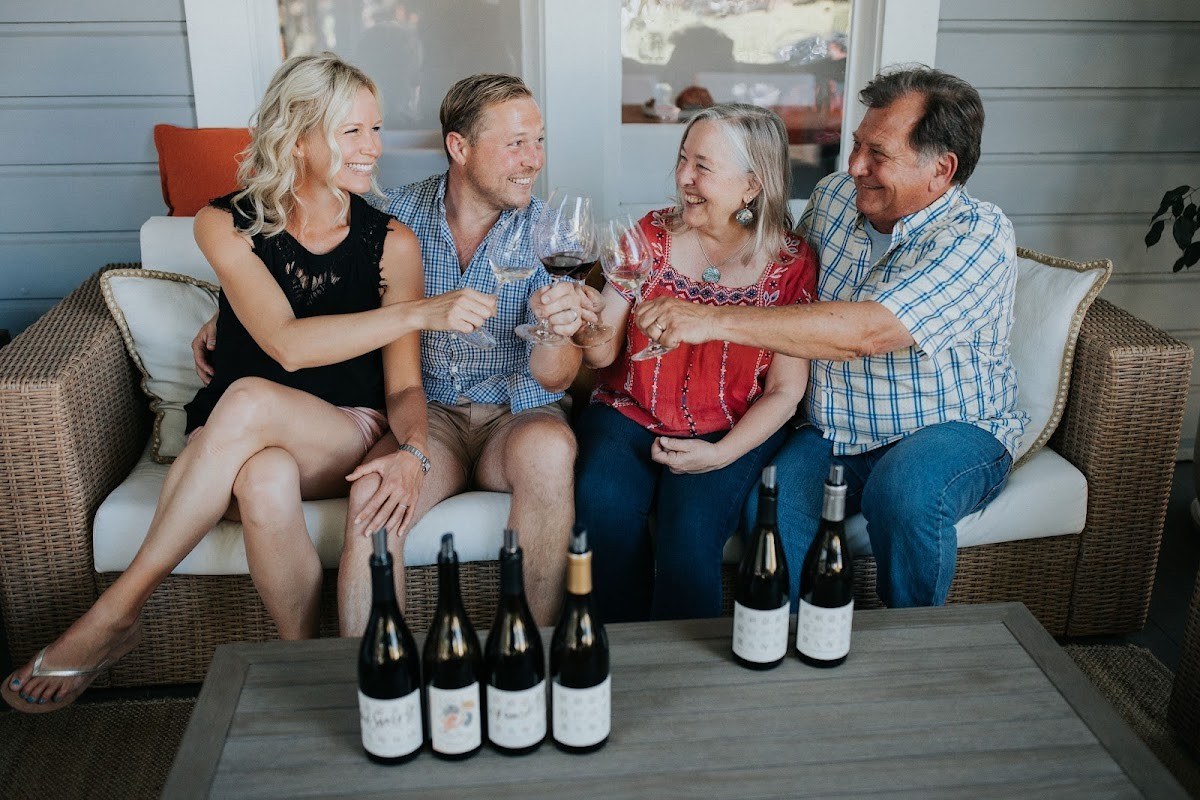
It is not a quality guarantee and we would not pretend otherwise. Large houses make brilliant wine and small ones make ordinary wine. What a family operation reliably changes is the odds that the person pouring has a stake in whether you enjoy it.
That is the part people were nominating. Not the farming model, the feeling of being somewhere that belongs to somebody.
Hours, tasting notes and current details for every one of these are on Spill.
04
What generation actually changes
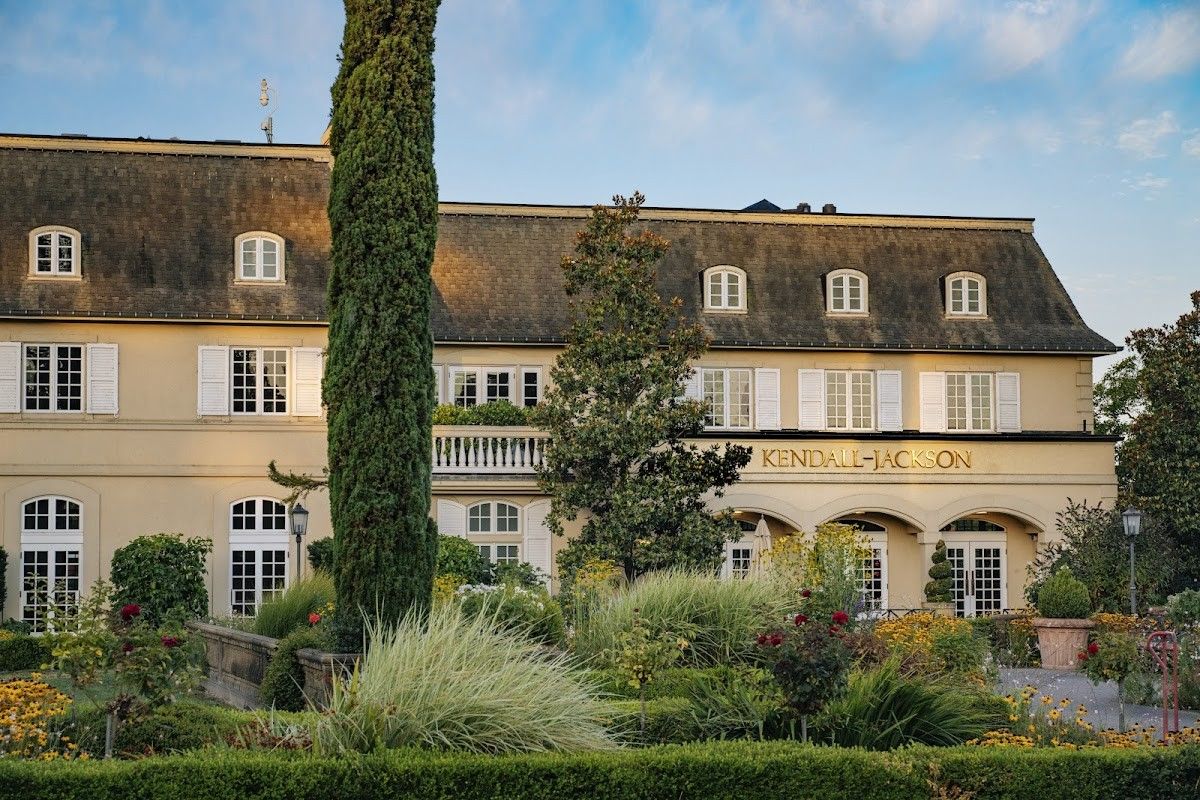
Second and third generation properties tend to have finished arguing about what they are. The style is settled, the vineyard is understood, and nobody is trying to prove a point with the Cabernet. Seghesio, Rodney Strong and Kendall-Jackson sit in that category.
First generation places are the opposite and often the more interesting visit. Wargin, Read Holland and Desire Lines are still deciding, and you can taste it.
05
The visiting difference
Small family operations keep small hours and often close for a stretch around harvest. Several on this list are appointment only, which at their scale means somebody has to be there rather than that the experience is exclusive.
Call it a fair trade. The person pouring usually has a surname on the label and no script to follow.
06
More in this guide
Good to know
What days are they open?
No single day has all of them open. Friday have the most, with 18 of 19. Four of them are closed Monday and Tuesday.
Do I need a reservation?
Most ask you to book ahead. Rexford Winery, Schermeister Winery, Wargin Wines, Cline Family Cellars and Brashley Vineyards take walk-ins.
How much is a tasting?
Posted tastings run $18 to $125, with Rexford Winery at the low end.
What regions does this list cover?
Russian River Valley, Los Carneros, Sonoma Valley, Dundee Hills and Bourgogne-Franche-Comté, and more.