California wine country has always been one of the most sensible choices for a bachelorette, and one of the most underestimated. Napa and Sonoma sit within two hours of San Francisco, hold more Michelin stars per mile than almost anywhere else on the West Coast, and have been hosting celebrations long enough that the infrastructure for doing it well is genuinely excellent. The region offers something that most bachelorette destinations don't: a trip that feels considered rather than assembled.
The first decision is the most important one. Napa or Sonoma. They are not interchangeable and they are not close to each other. Napa is more concentrated, organized around a single valley with well-marked routes and towns like Yountville that exist almost entirely to serve visitors well. Sonoma is larger and looser, a patchwork of regions with different soils and different personalities. Healdsburg is the obvious base there, walkable and surrounded by Dry Creek Valley, Russian River Valley, and Alexander Valley all within twenty minutes of each other. Pick one county and build the itinerary around it.
01
Napa
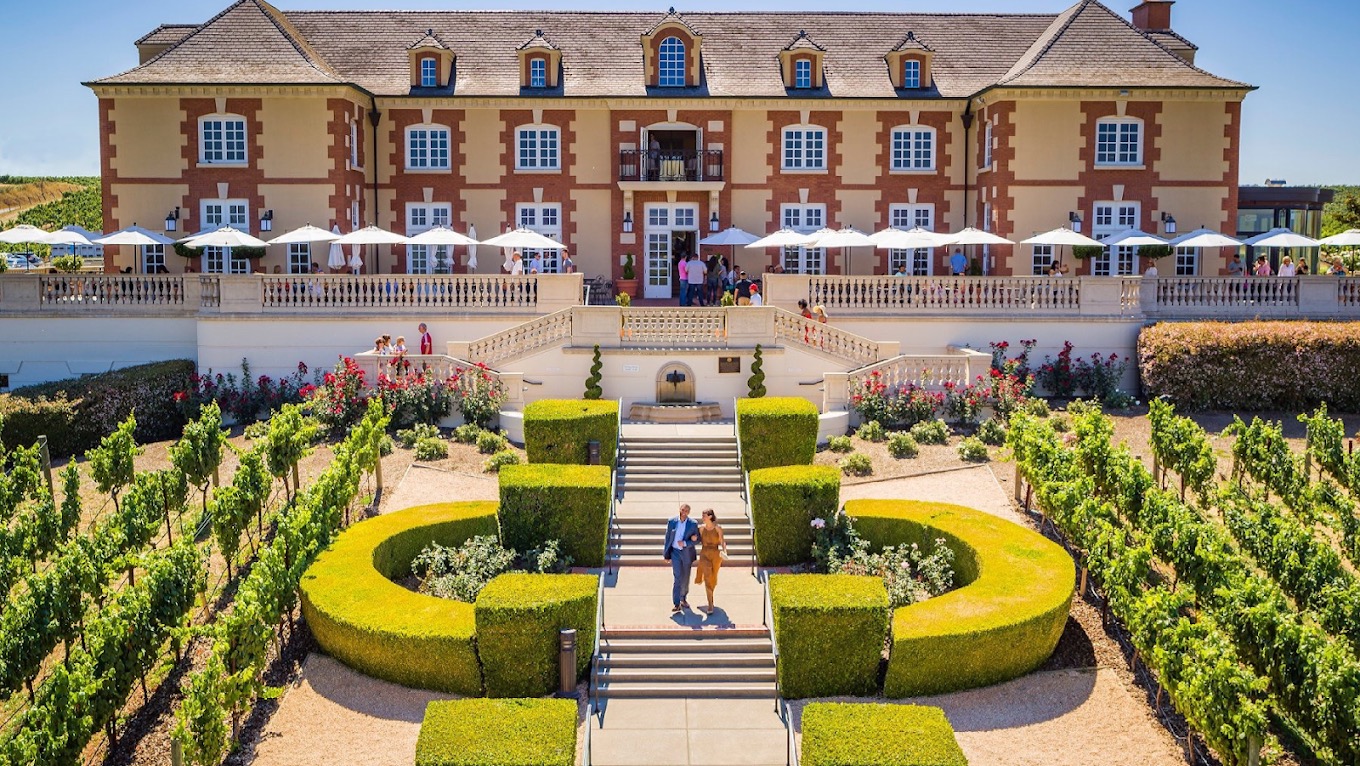
Domaine Carneros is where to start if sparkling wine is part of the plan. The château sits above the vineyard with views that are not incidental to the property: they are the reason for it. The patio tasting works well as an opener for a day, before the heavier reds stack up.
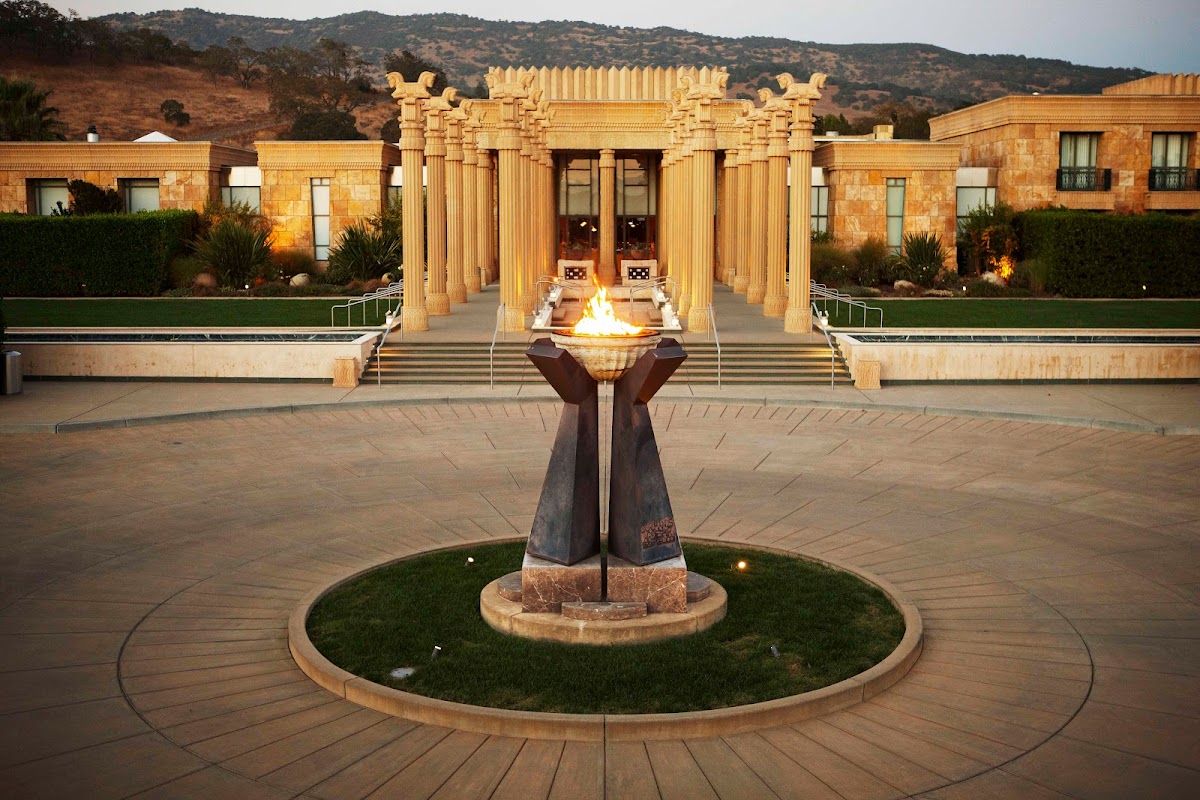
Darioush does not look like a Napa winery, which is the point. The Persian architectural references run through the whole experience, not just the exterior. Pairings can include cheese, mezze, or caviar depending on what you book. It is one of the more unusual afternoons in the valley.
Bella Union, opened by Far Niente, is the most design-forward room in Napa. California interiors, outdoor spaces that flow well, a portfolio still new enough to not be fully priced in.
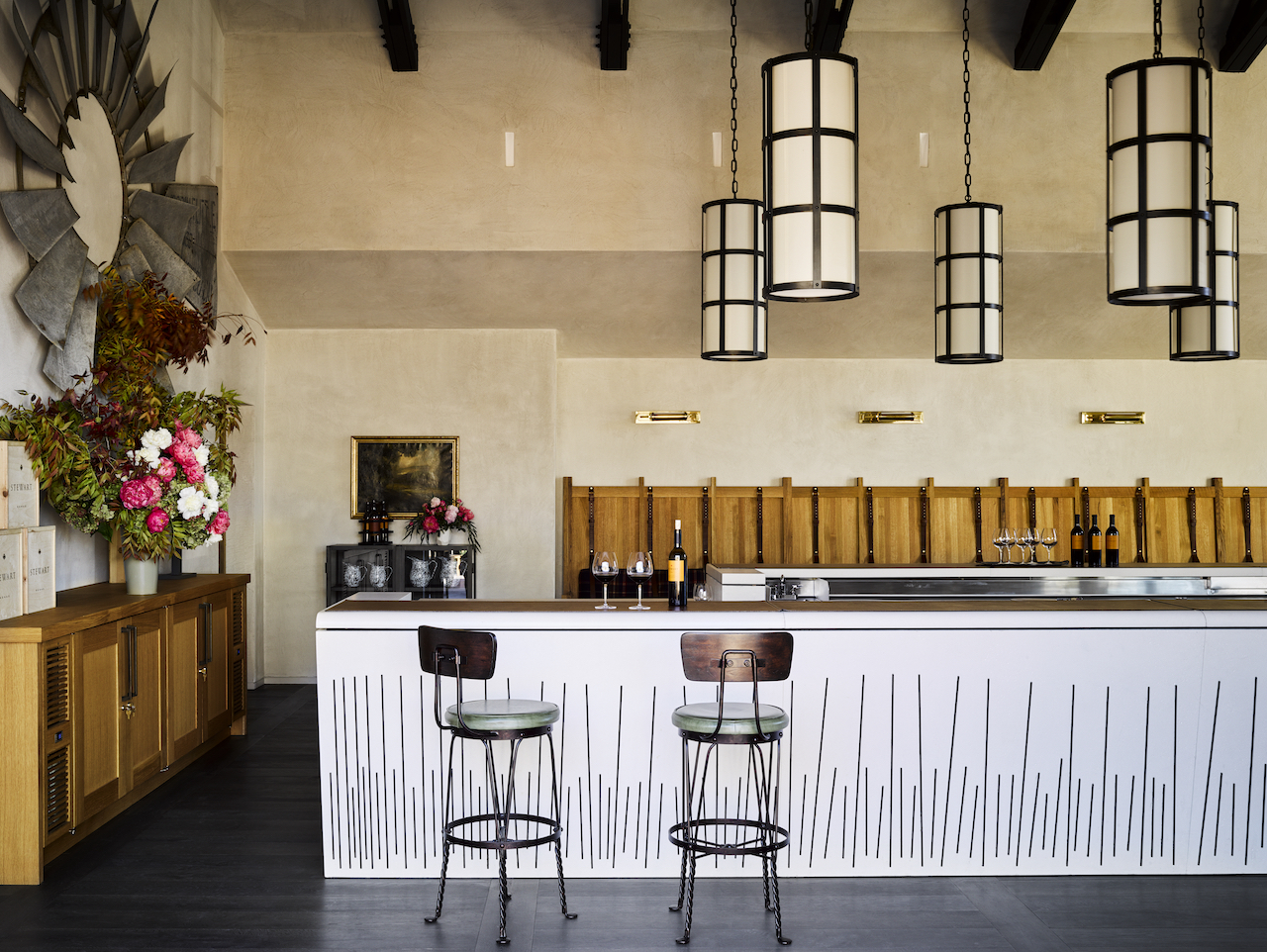
Stewart Cellars in Yountville is the family-owned stop with Ken Fulk interiors and courtyards that work well for an afternoon. The portfolio is wide enough that a group with different preferences can find something they are drinking.
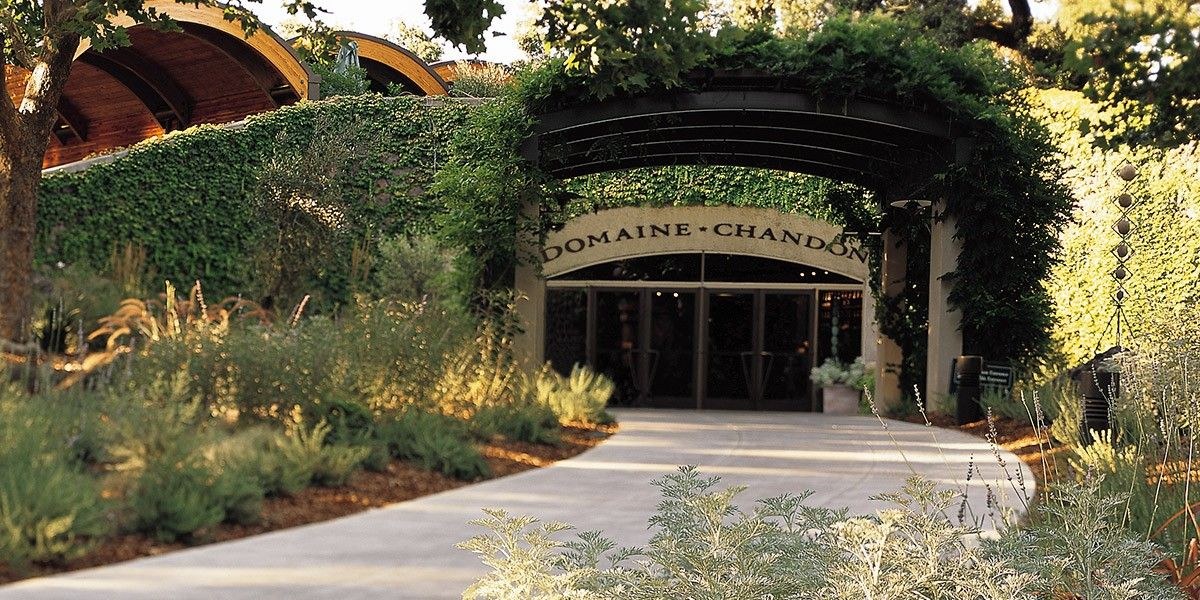
Domaine Chandon, also in Yountville, is the easy call when the group wants sparkling without a somms-only vibe. The lawns are sprawling enough for a real group photo, the list leans bubbles, and the tasting room moves people through without feeling rushed. It pairs naturally with a Bella Union or Stewart Cellars stop since all three sit within a few minutes of each other.
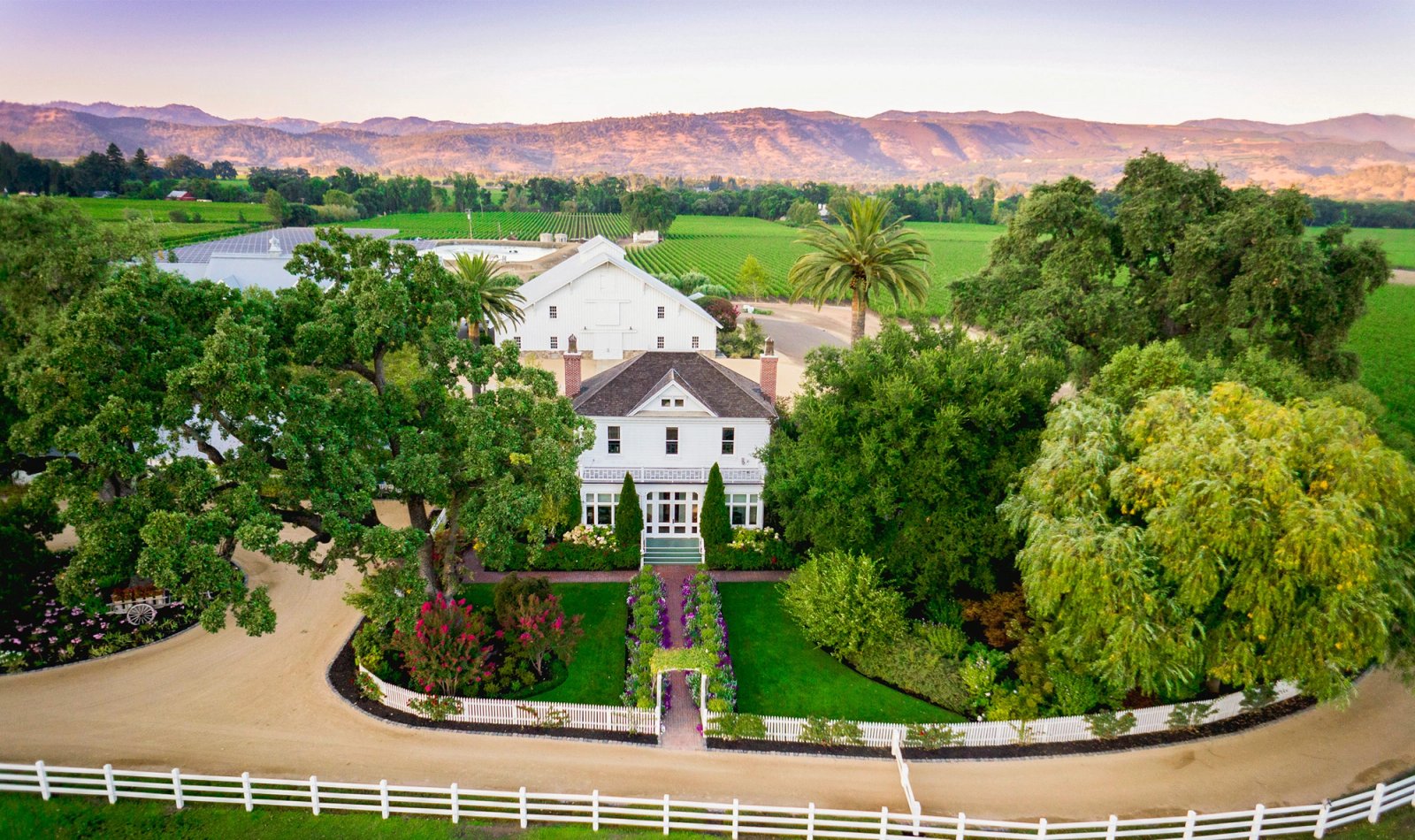
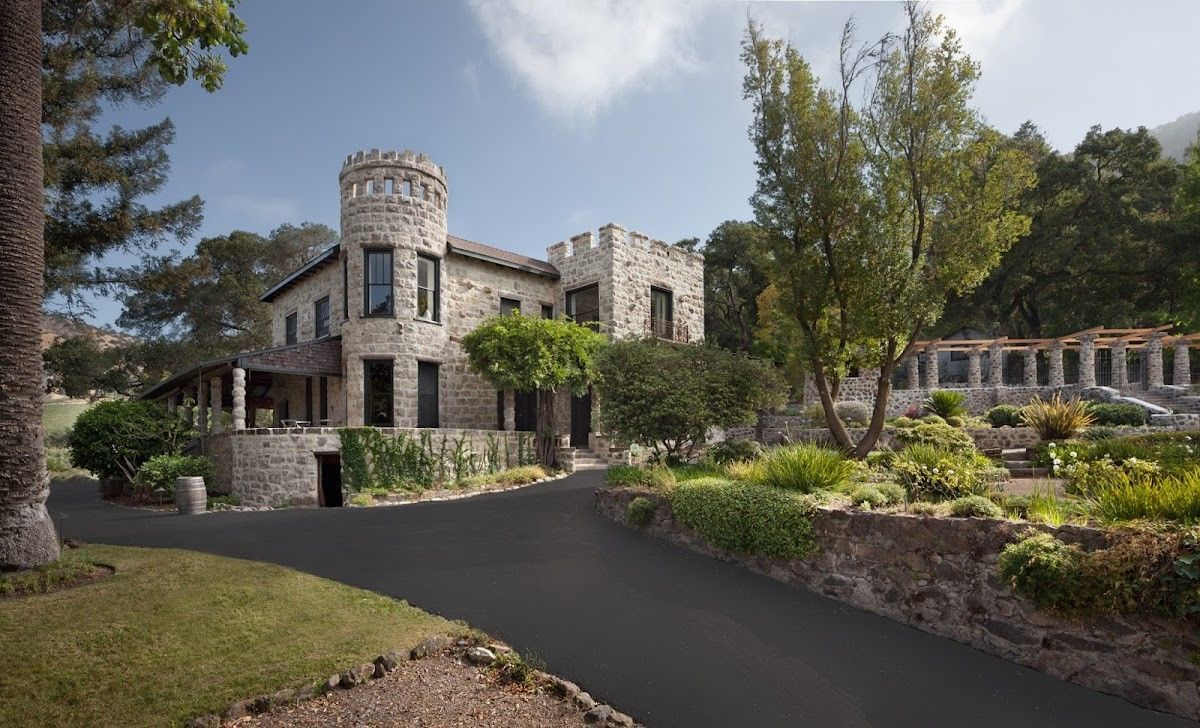
Stags' Leap is the historic one. The 19th-century manor on the property is not a replica. The cabernets have a track record going back to the 1976 Paris Tasting, which gives the stop a different kind of context than most tasting rooms can offer.
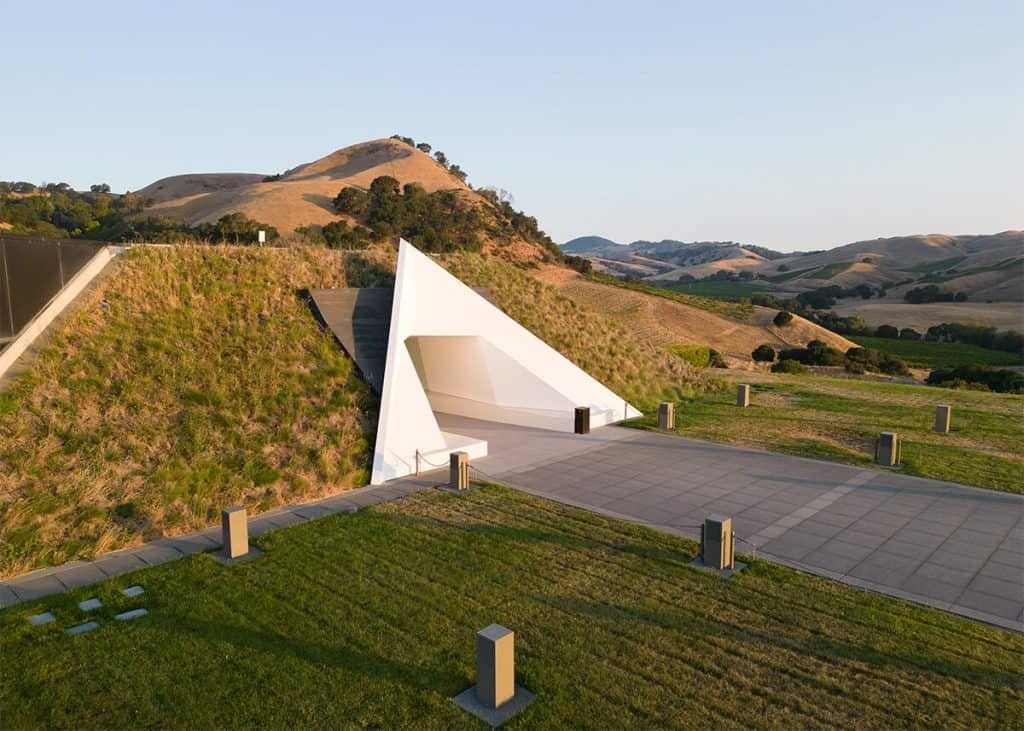
Artesa sits on the Carneros side of the valley with avant-garde sculptures on the grounds and a terrace with views that reward the stop. The small-lot pours (Chardonnay, Pinot Noir, Cabernet) benefit from the appellation's cooler growing conditions.
02
Sonoma
Flowers, just outside Healdsburg, does coastal Pinot Noir and Chardonnay with the kind of vineyard-specific focus that makes the tasting room conversation actually worth having. The gardens are well-kept. The interiors are thoughtful without being overwrought.
Reeve Wines in Dry Creek Valley covers wine and lunch in the same stop. They do pizza in the tasting room, which turns out to be the correct call for a day of back-to-back tastings. The eco-friendly property also has a villa on site if you want to stay in the vineyard itself.
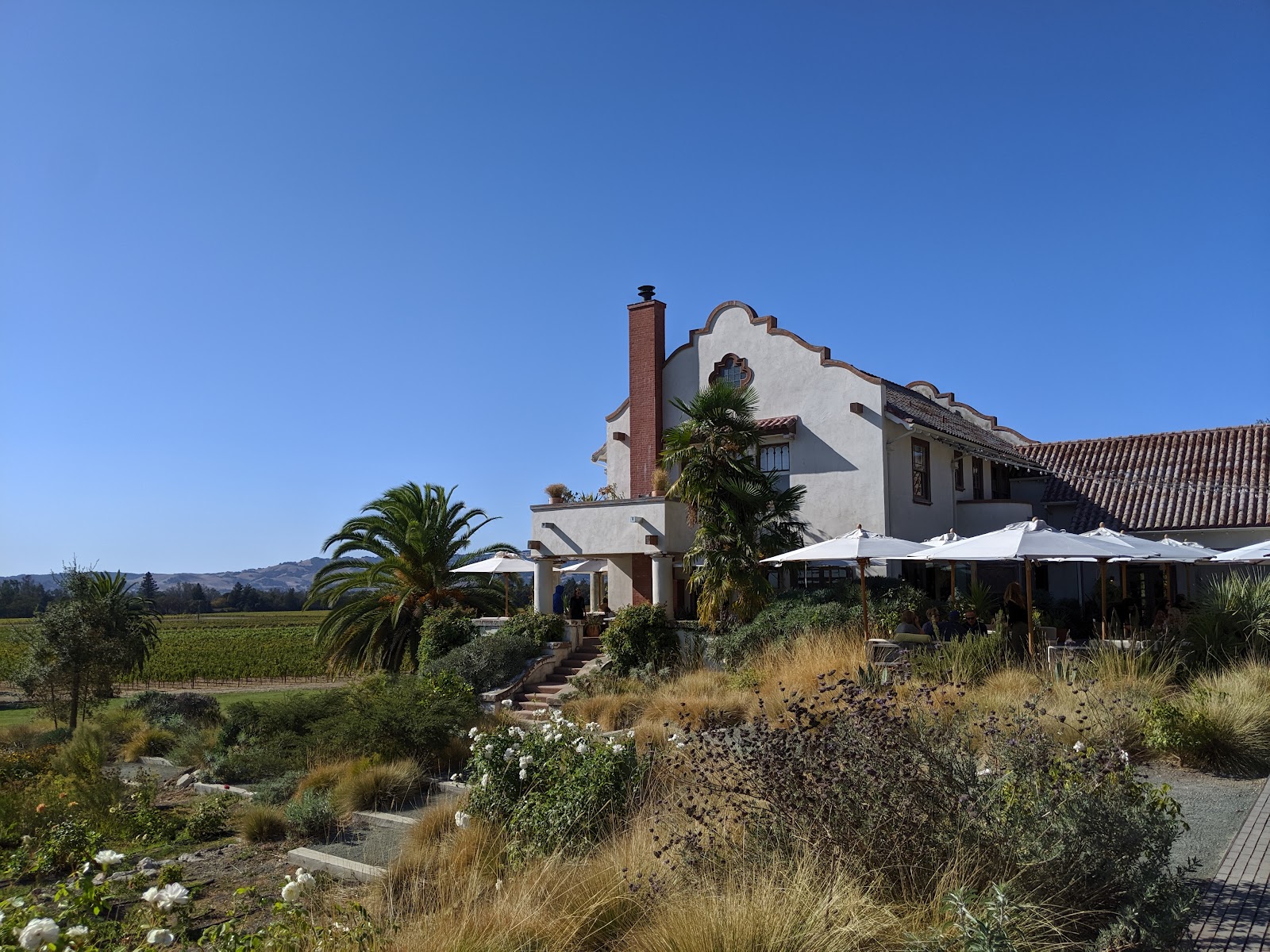
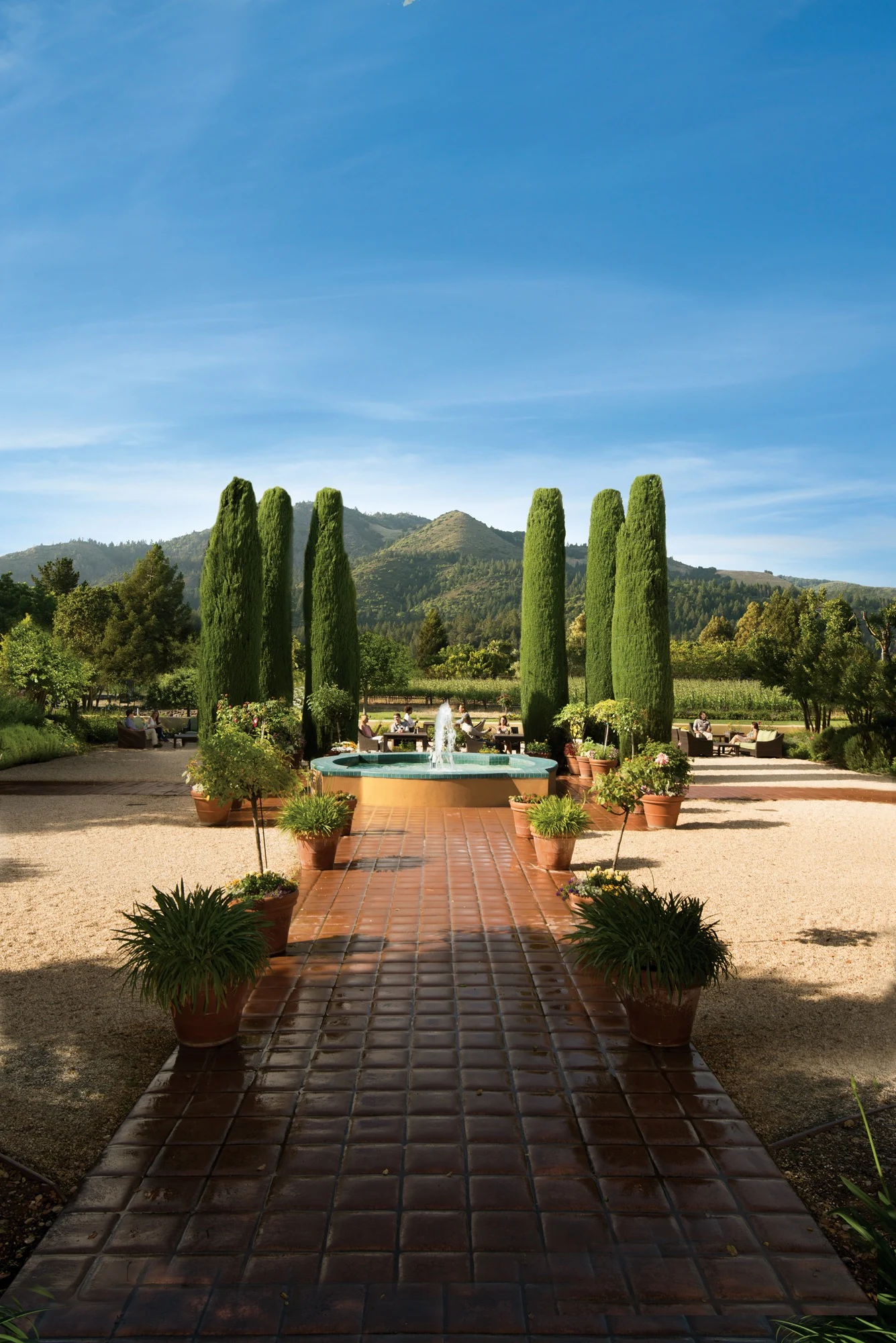
Scribe requires wine club membership for a reservation, an extra step, but the payoff is an adobe hacienda surrounded by proper gardens. The wines are terroir-driven in a way that means they taste specific to where they came from, not just to a style.
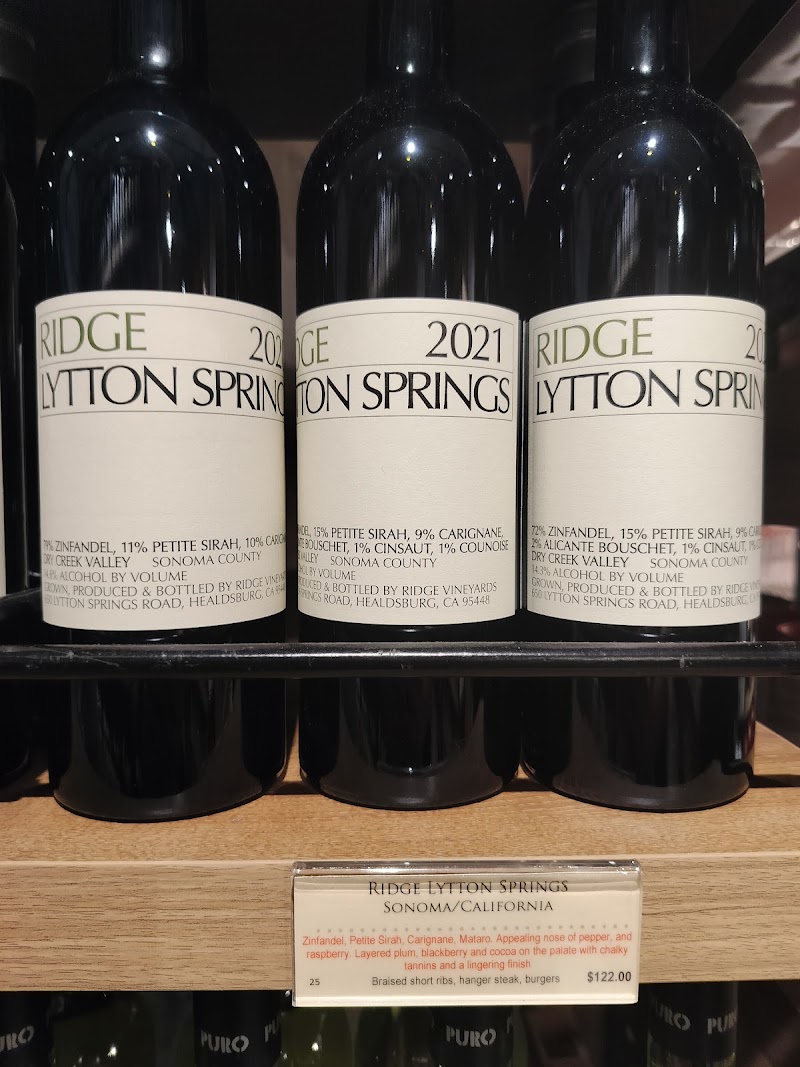
Ridge Vineyards offers walking tours through the vines, which breaks up the pattern of tasting room after tasting room. The single-vineyard wines are worth taking time with.
Landmark Vineyards has bocce ball in the gardens, which matters more than it sounds by the third stop of the day. Russian River Valley Pinot and Chardonnay, outdoor seating, a low-key atmosphere that serves as a useful counterweight to more formal rooms.
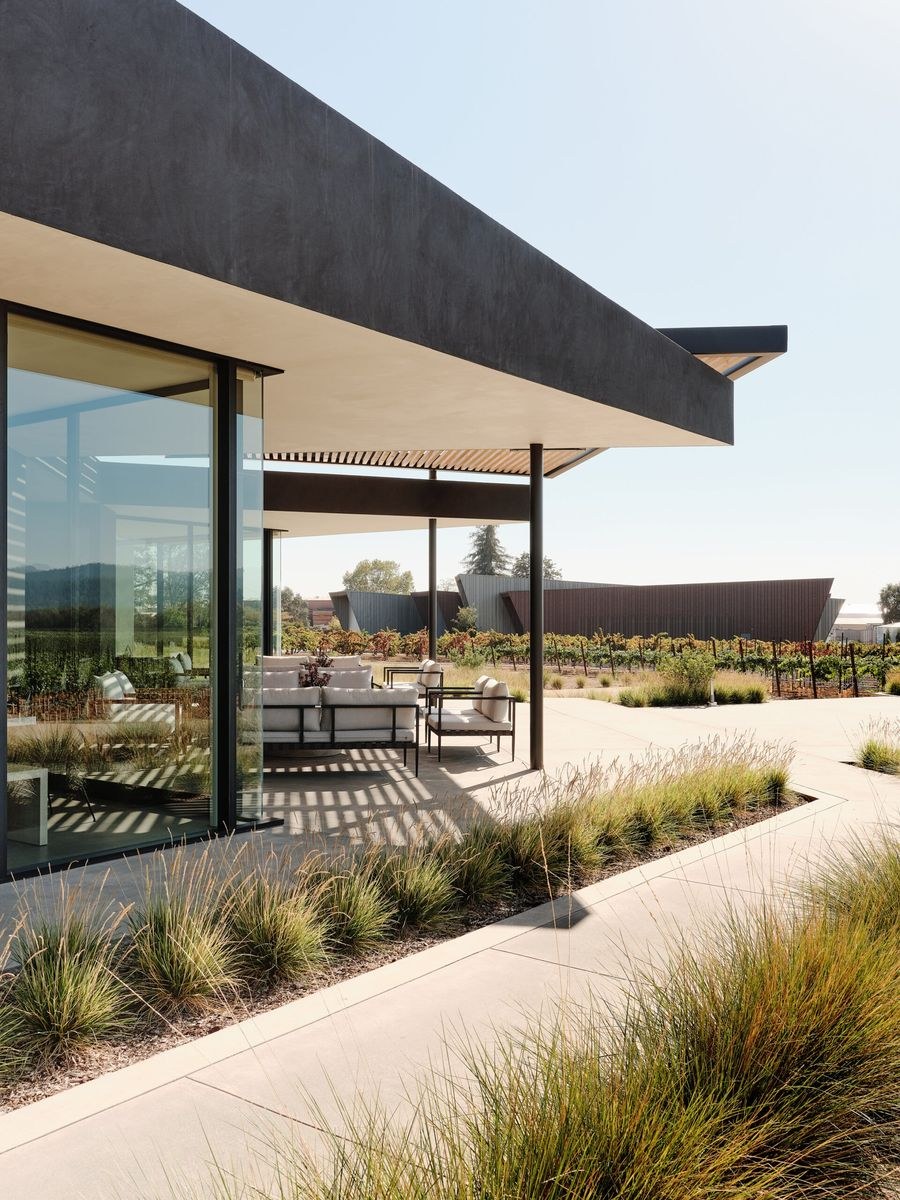
Aperture Cellars is the modern entry. Andy Katz photography throughout the tasting room, Bordeaux-style wines, and interiors that look designed rather than built. A strong closer for a Sonoma afternoon.

03
Beyond the Tasting Room
The Passport to Dry Creek Valley runs two days each spring and opens over twenty-five wineries to ticket holders with food pairings, live music, and behind-the-scenes access. If the dates overlap, it is the more interesting approach than booking individual rooms.
The Napa Valley Wine Train moves through the valley with pairings and winery stops, a contained two-to-three hour experience where nobody has to drive and the views are good.
For transportation: from San Francisco International or Oakland, two hours is the floor with no traffic. Ride-share is unreliable enough with a large group and timed reservations that booking a professional driver for the day is the cleaner call. Sonoma Sterling Limousines covers the region with SUVs, sprinter vans, limos, and party buses.
Good to know
What is "A Wine Country Bachelorette"?
"A Wine Country Bachelorette" is a list of 12 wineries curated by Vogue, featured on Spill.
What regions does this list cover?
The list spans Los Carneros, Yountville, Dry Creek Valley, Coombsville, Rutherford, and more.
Who curated this list?
This list was curated by Vogue, and the original source is linked on the page.
What wines are featured on this list?
Wineries on this list pour Pinot Noir, Chardonnay, Cabernet Sauvignon, Petite Sirah, Sparkling Wine (méthode traditionnelle), among other varietals.