 Spill Verified
Green Valley of Russian River Valley
Iron Horse Vineyards
Added and saved here. Sign in to access it anywhere.
TASTEMAKERS
From Spill
12 wineries
Explore all Sonoma County wineries →Sonoma makes spectacular sparkling wine because of its fog. It rolls off the Pacific, runs up the Russian River, and holds most mornings until close to noon, keeping acid high and sugar low. That cold and that slow ripening are what the traditional method is built on. And the fog sits deeper in some valleys than others, which is why Green Valley and Carneros taste nothing alike. In this guide, you'll learn about Sonoma's sparkling houses and what sets them apart.
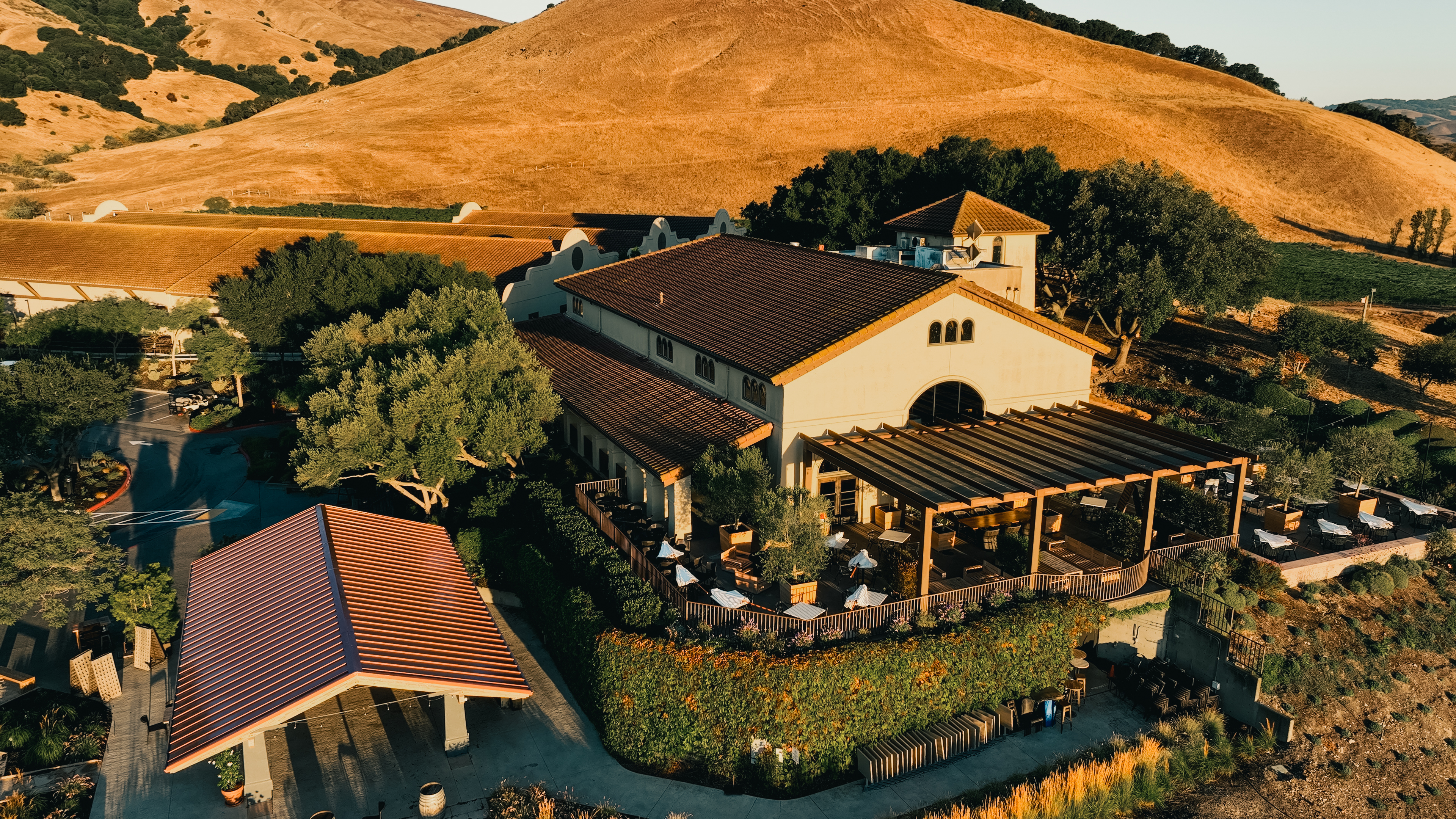
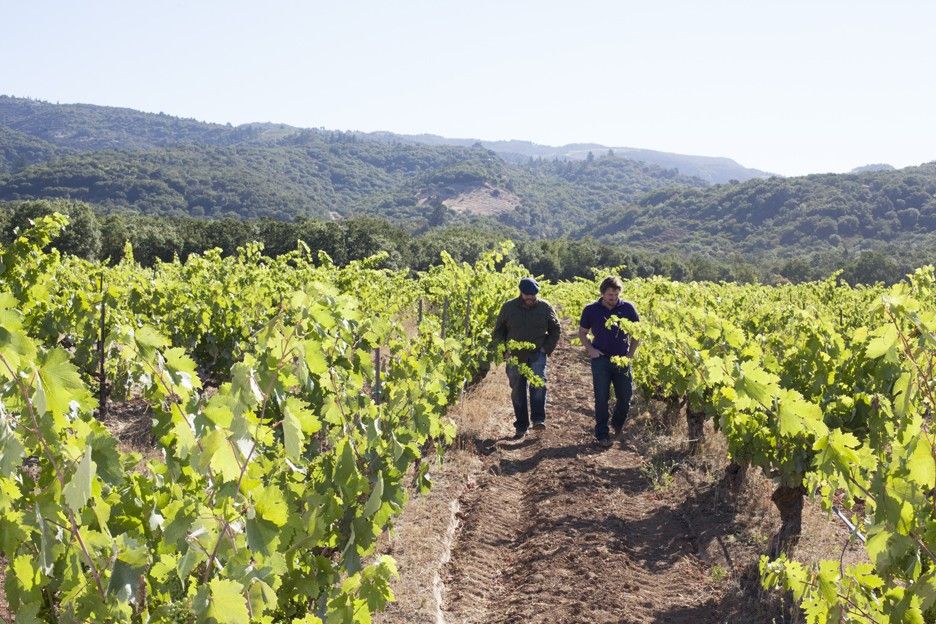
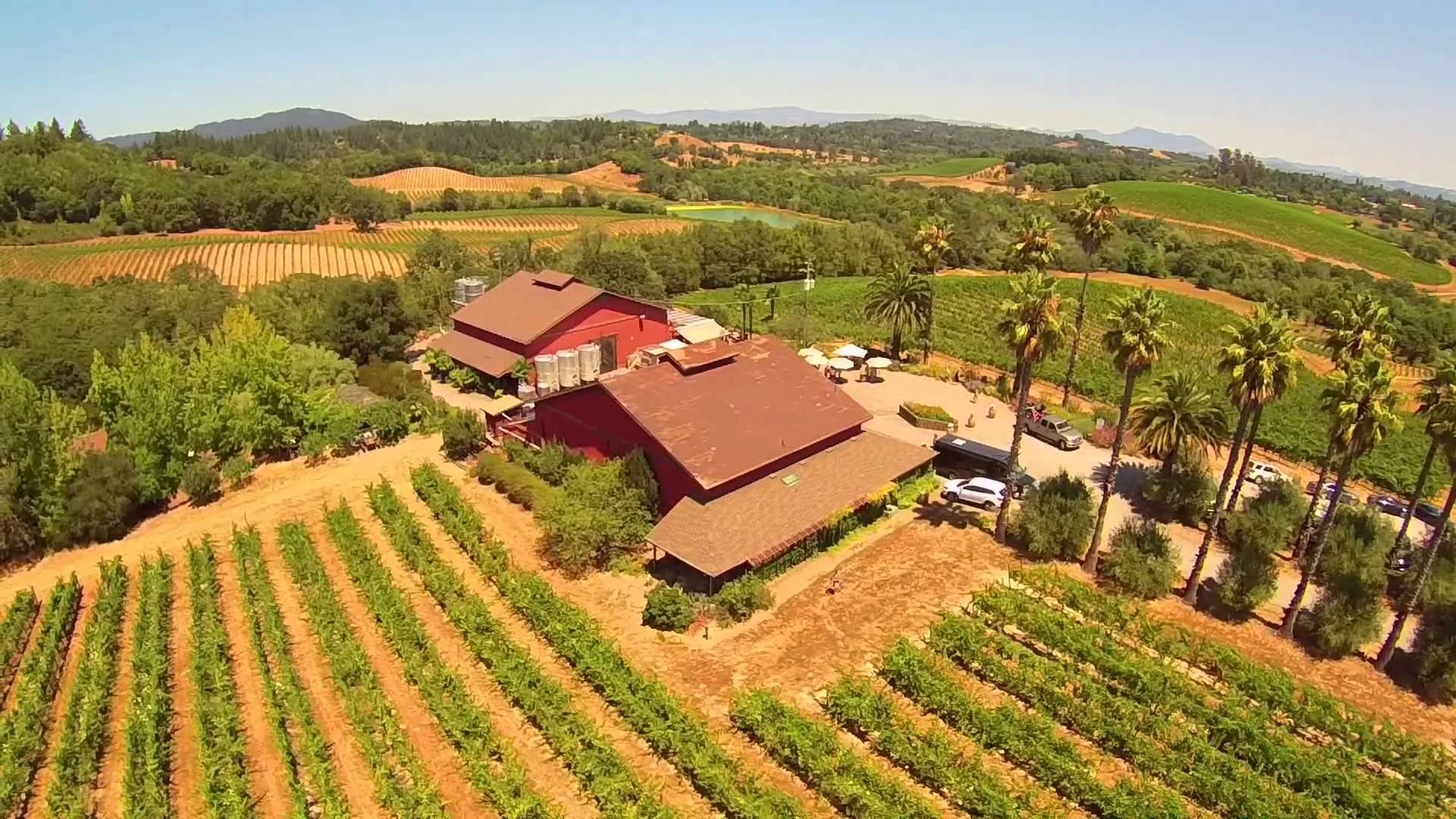
Iron Horse has poured its bubbles outdoors on a wooden deck over the vines since the Sterling family planted here in 1976, in the cool Green Valley corner of the Russian River. The same wine has been served at the White House since 1985, though nothing about the visit feels formal: the marine layer settles in most afternoons, so the best pours happen at golden hour, Blanc de Blancs cold enough to fog the glass on the walk back to the car. Reservations are recommended, not required.
Fifteen minutes north in Healdsburg, J Vineyards built an entire ritual around food and sparkling together. The Bubble Room has run since 1999 under winemaker Nicole Hitchcock: five courses matched to three sparkling pours and two Pinot Noirs, a format that outlasts most tasting-room experiments by decades.
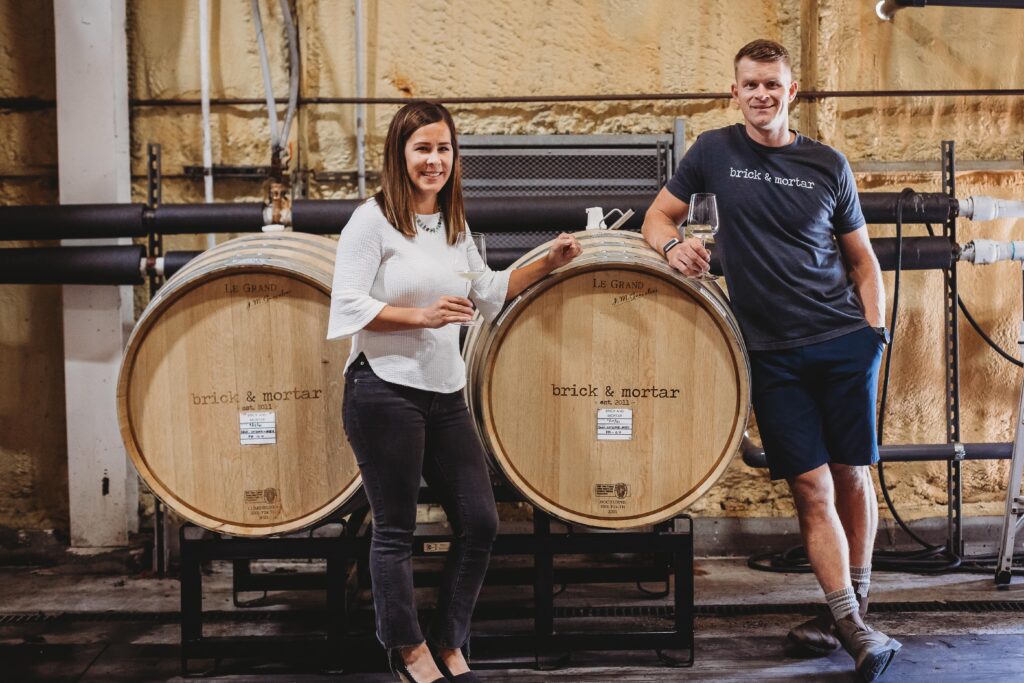
Brick & Mortar takes a quieter approach, pulling high-elevation, cool-climate fruit from Sonoma Coast, Anderson Valley, and Napa Valley vineyards for single-vineyard sparkling and still wines meant to age, not get finished the year they're released. Bricoleur, a few miles over in Windsor, treats its Blanc de Blancs as a limited release folded into seasonal multi-course pairings grown from its own culinary gardens.
Gloria Ferrer was founded in Carneros in 1982 by the Ferrer family, owners of Spain's Freixenet, and became the appellation's first dedicated sparkling wine producer. Brut, Demi-Sec, Extra Brut, Rosé, and a Blanc de Blancs still appear on the list every vintage. Carneros Wine Company has farmed since 1972, family-owned throughout, including Las Brisas, its own vineyard on the Sonoma County side of the appellation, and pours an NV Sparkling Pinot Blanc alongside its Albariño and Vermentino.
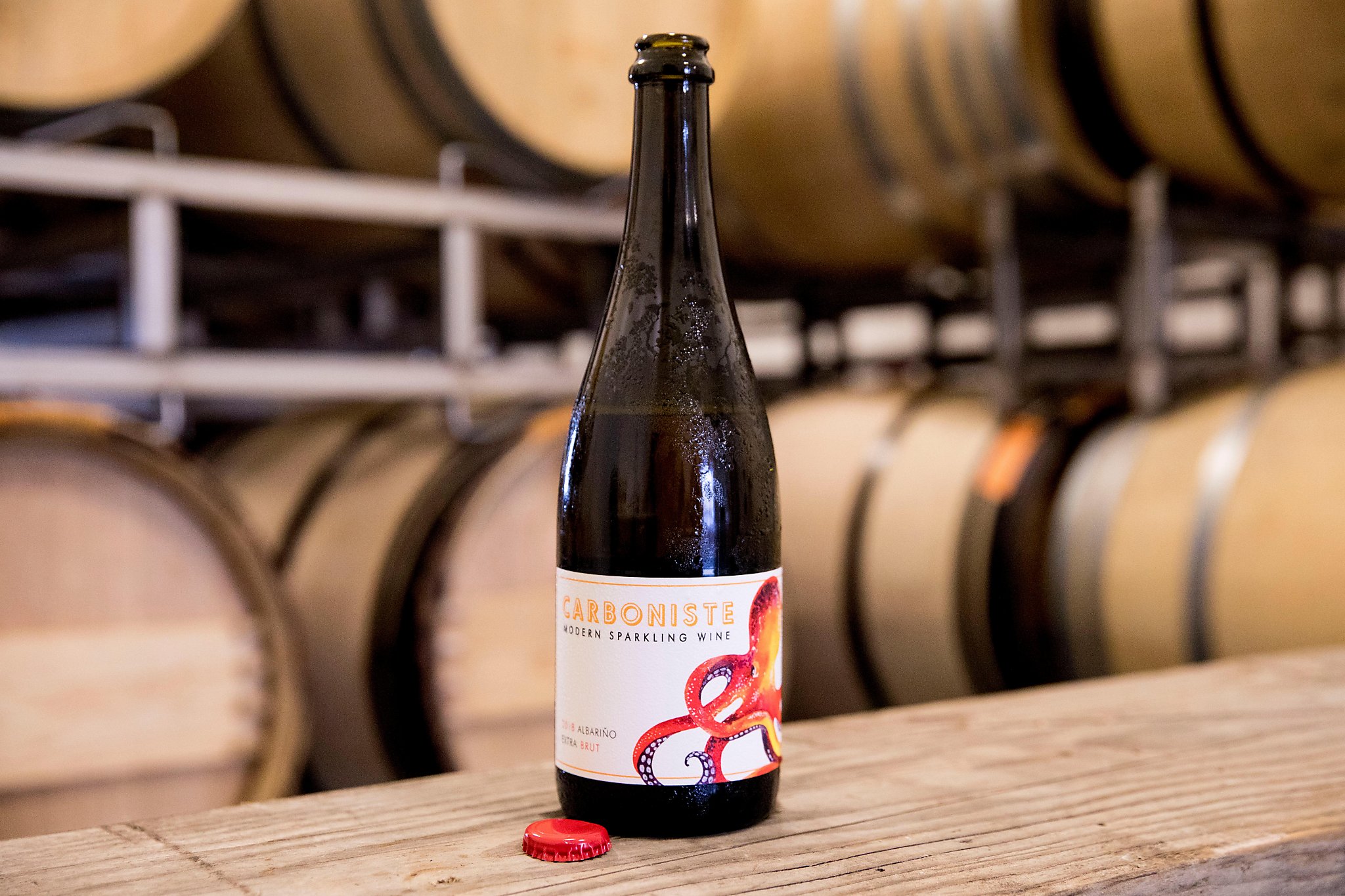
Carboniste works with alternative grapes instead: Albariño and Merlot in place of Chardonnay and Pinot Noir, chasing the taste of Carneros itself instead of an echo of Champagne. Some California producers can still legally print "Champagne" on a domestic label, a leftover grandfather clause from a 2006 US-EU trade agreement that let pre-existing users keep the term while blocking anyone new from adopting it. Carboniste didn't exist yet when that clause was written, and wouldn't have wanted the label anyway.
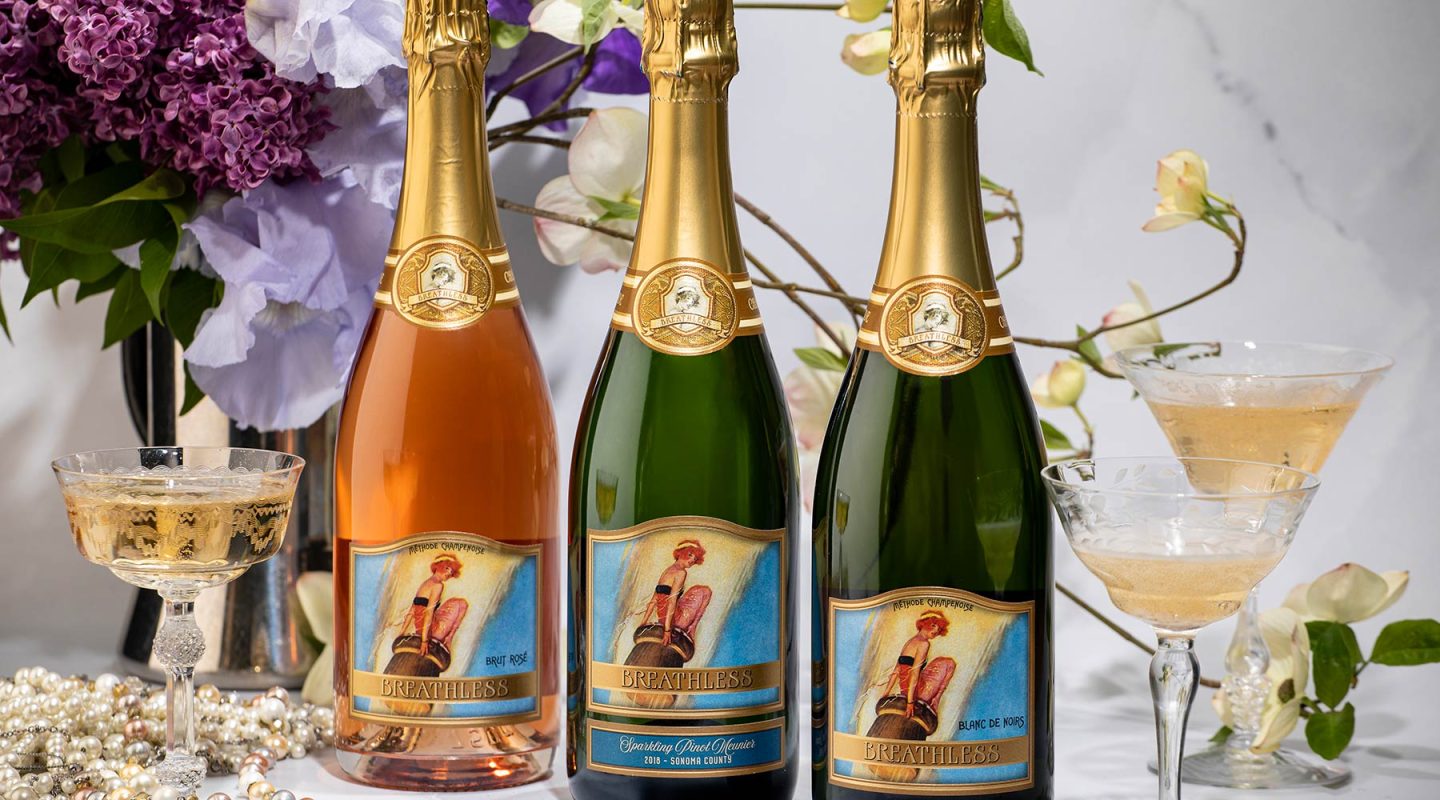
Dry Creek is Zinfandel country first; its sparkling producers are the exception, not the norm. Breathless Wines is run by three sisters making theirs the slow way: méthode champenoise, hand-riddled, aged sur lie. Their Blanc de Noirs and Brut Rosé have won Gold at the SF Chronicle Wine Competition and taken a prize at the Sonoma County Harvest Fair. David Coffaro keeps production small, roughly 5,000 cases a year off 20 estate acres planted in 1979, and built a wine club around whites, rosés, and sparkling for people looking past the Zinfandel.
Bedrock Wine Co. spends most of its energy as the county's unofficial historian, sourcing old-vine fruit from across Sonoma. Its Under the Wire project is where the sparkling lives: single-vineyard California bubbly in small lots that change every year. Chaname Wines pours a Brut Sparkling Wine from Carneros fruit alongside its still Sangiovese and Primitivo, one piece of a vineyard-to-bottle relationship, not the headline act. Ensemble Cellars makes its Enkidu Brut at a custom-crush facility in Healdsburg, tasting by appointment, wine club members first.
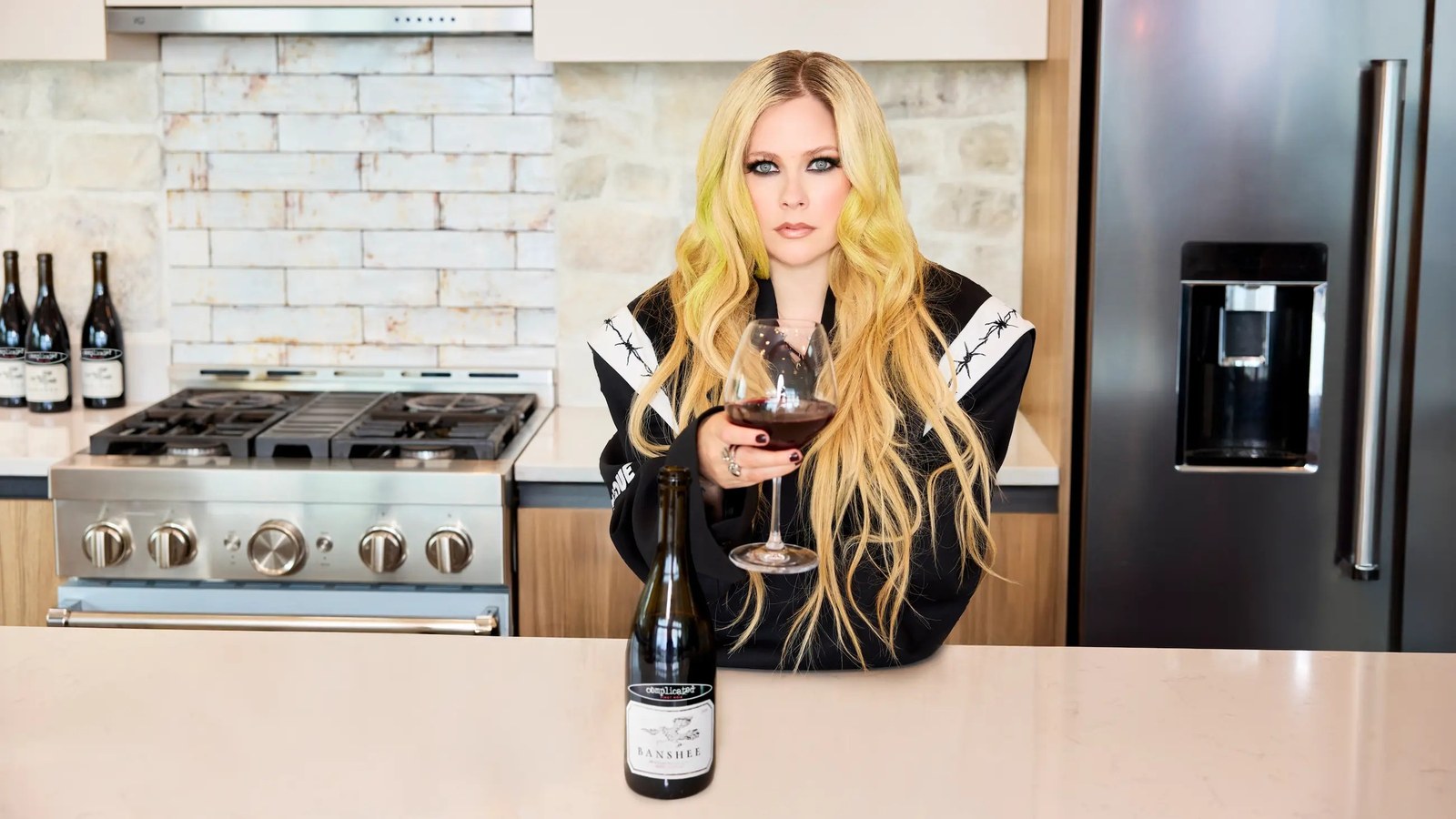
Banshee has spent its short history, since 2009, closing the gap between quality and price, and its Ten of Cups Sparkling Brut sits at the edge of a lineup better known for Sonoma Coast Pinot Noir and Cabernet Sauvignon. Ask for it by name; it won't be the first thing offered.
Sonoma's sparkling wine doesn't need a French comparison to make its case. It has its own fog, its own grapes, its own willingness to ignore Champagne's rulebook when a winemaker feels like it, and, since 1985, its own seat at the White House table.