TASTEMAKERS
Paso Robles Beyond Cabernet
From Spill
9 wineries
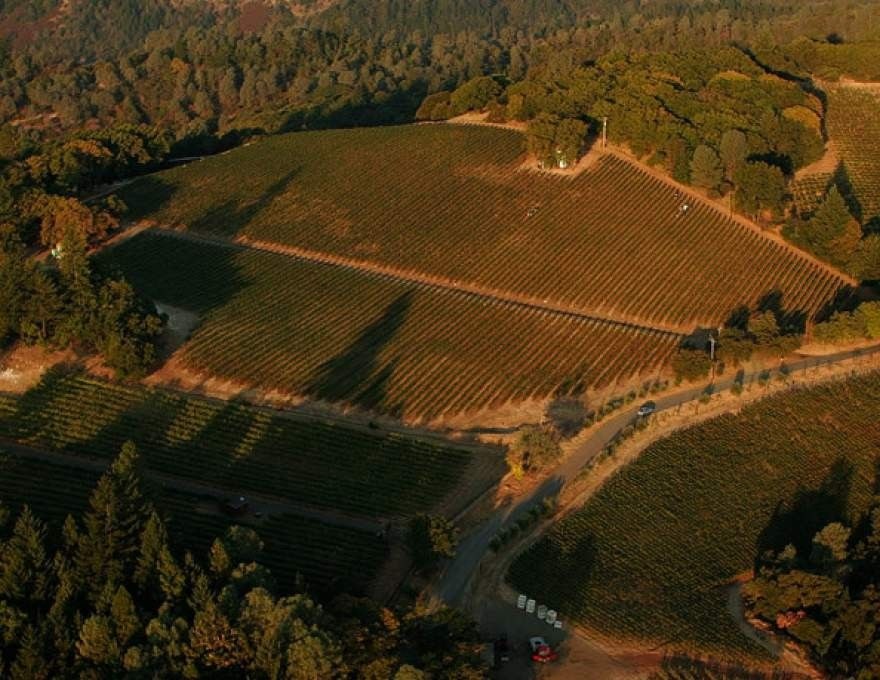
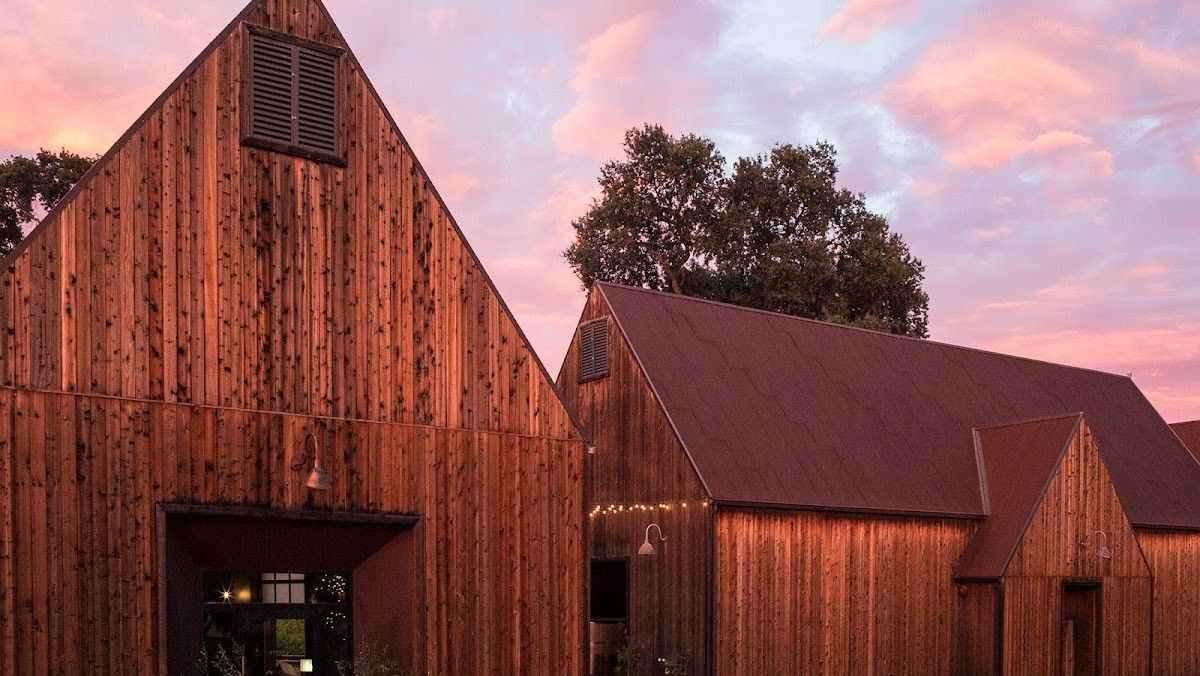
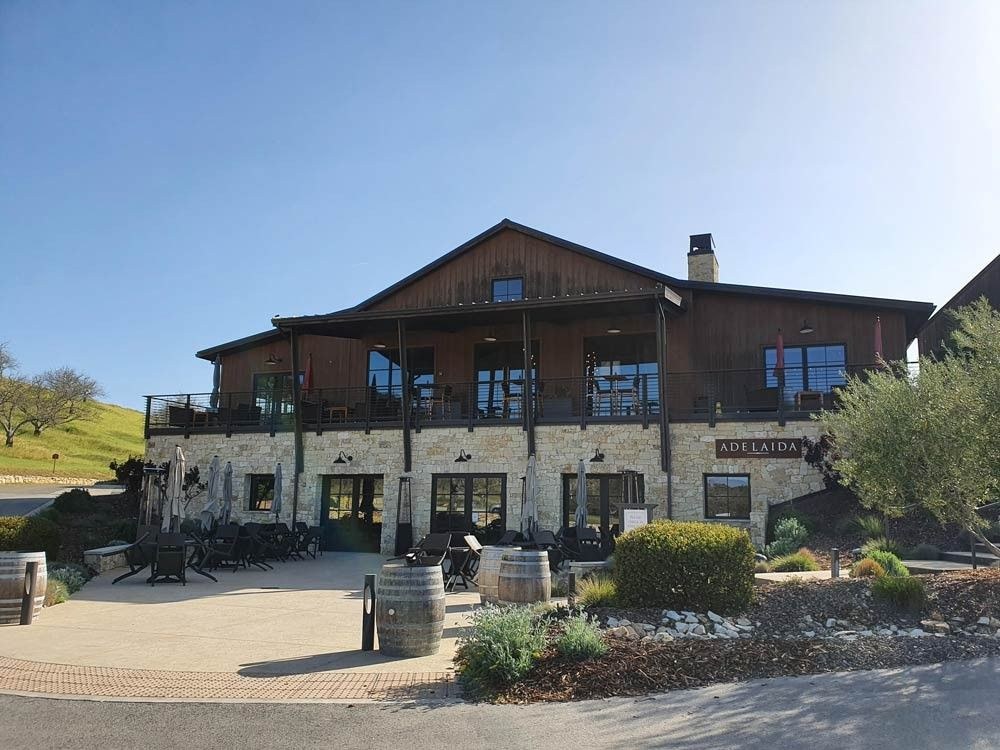
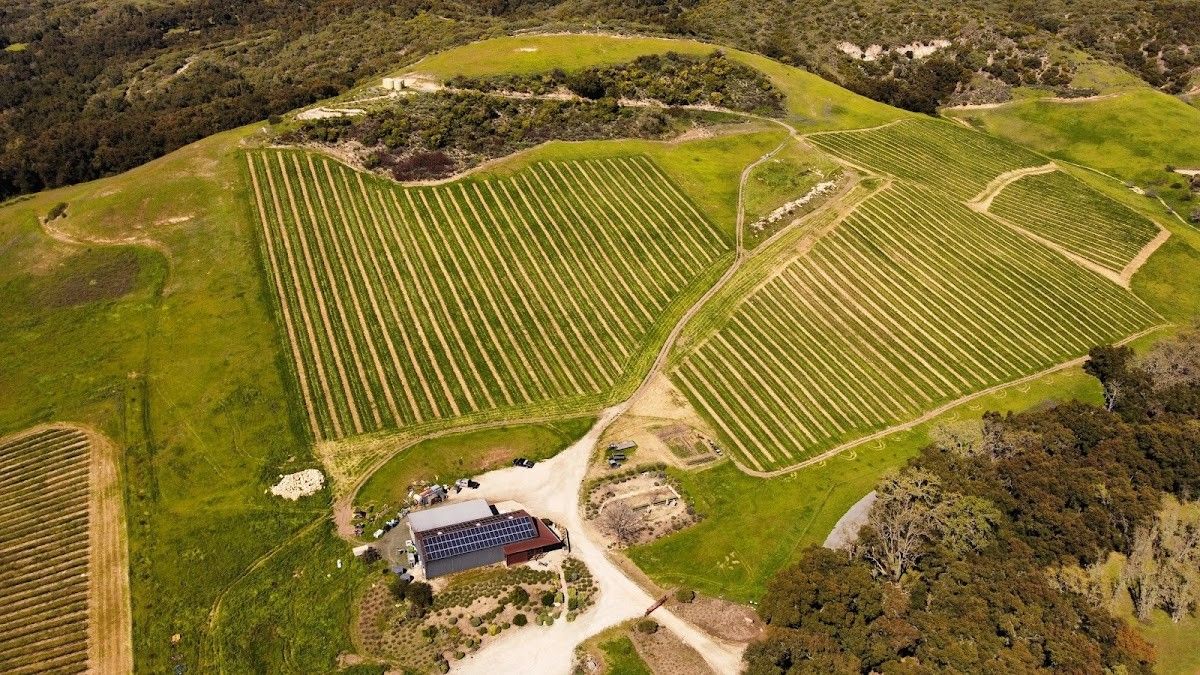
Paso Robles gets described as a Cabernet town. That is true in the way that describing Burgundy as a Chardonnay town is true, which is to say it is accurate and it misses almost everything.
01
The other Paso
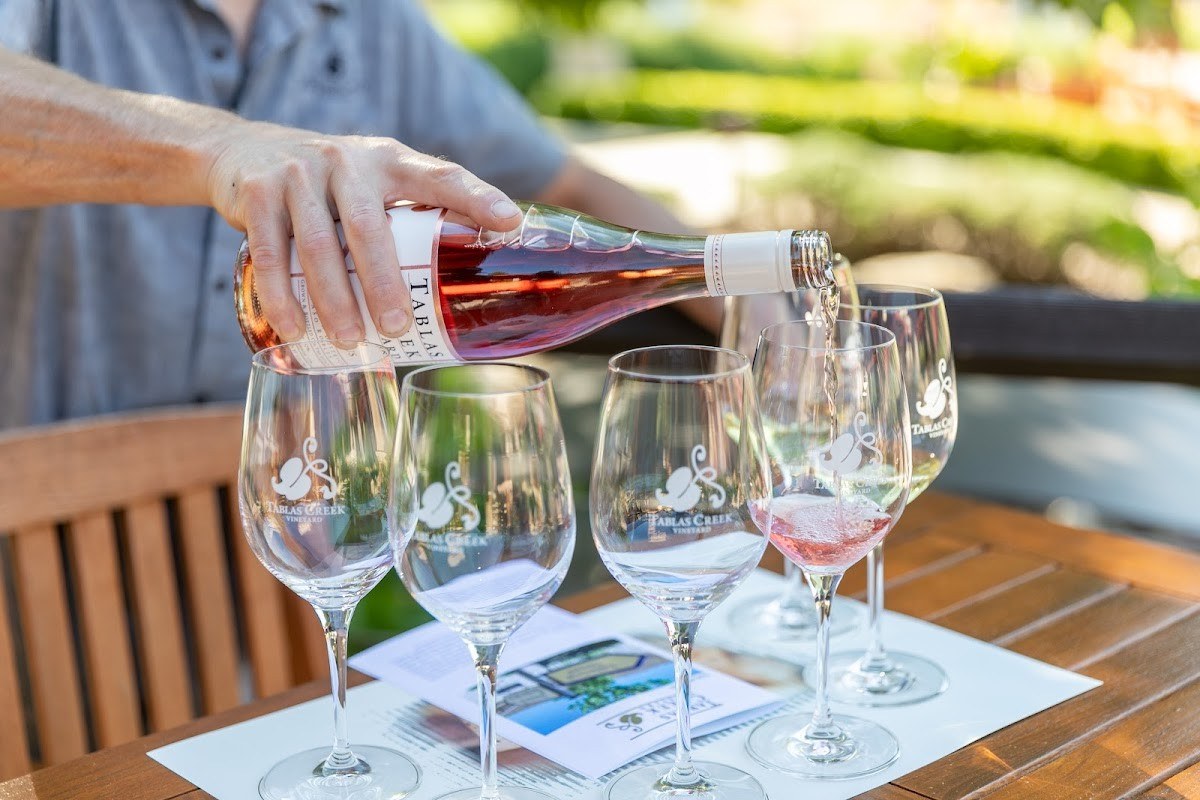
Tablas Creek imported Rhone cuttings from Chateauneuf-du-Pape and the region followed. Grenache, Mourvedre, Syrah, Counoise, Roussanne and Viognier all do well in the limestone on the west side. Somebody replying to us called the Rhone Rangers the most underrated thing about the region, and they were not wrong.
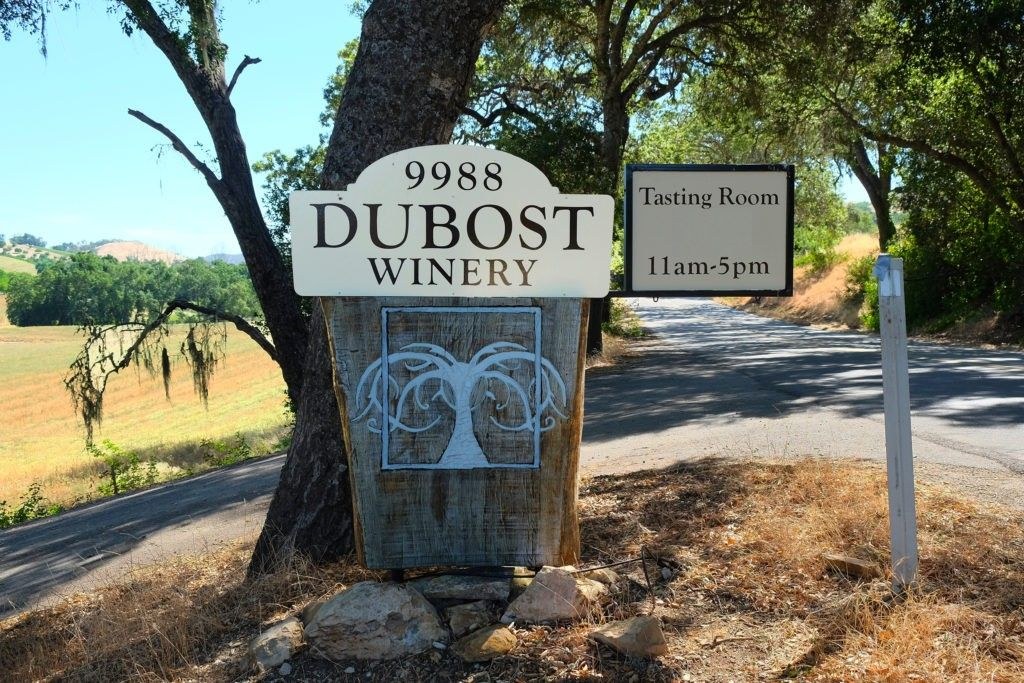
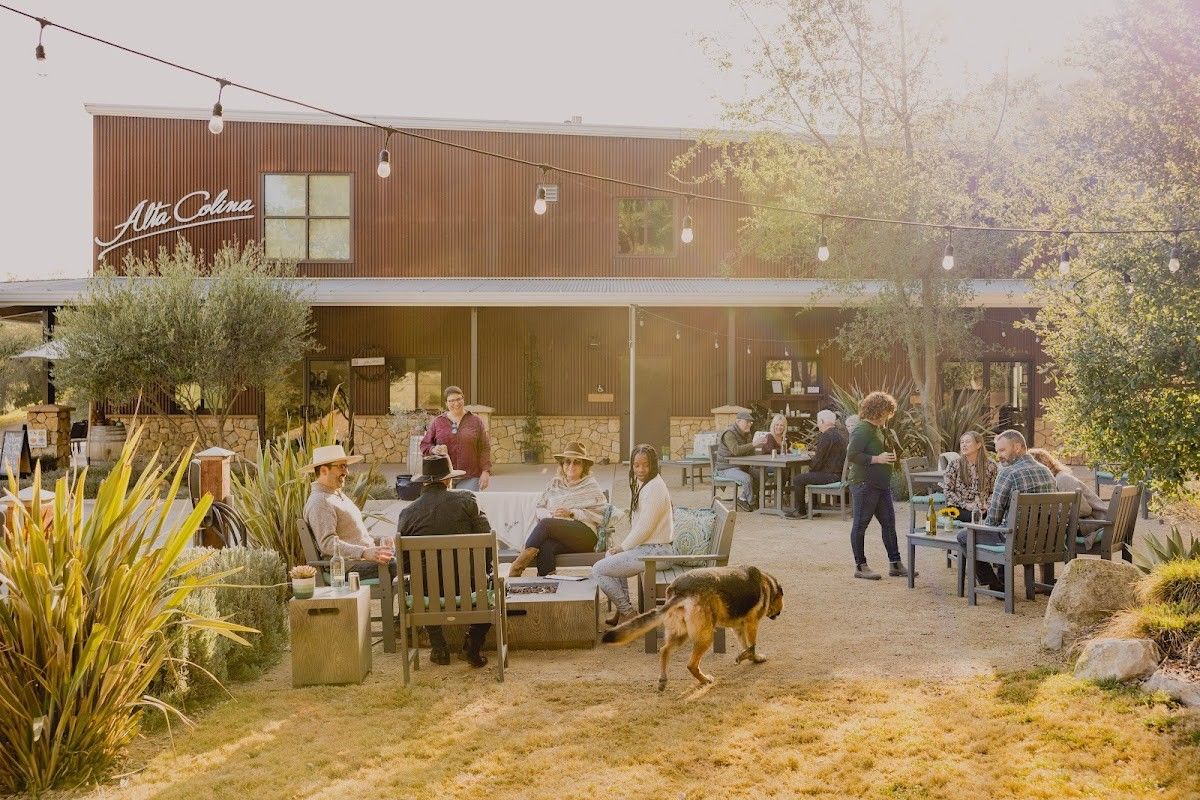
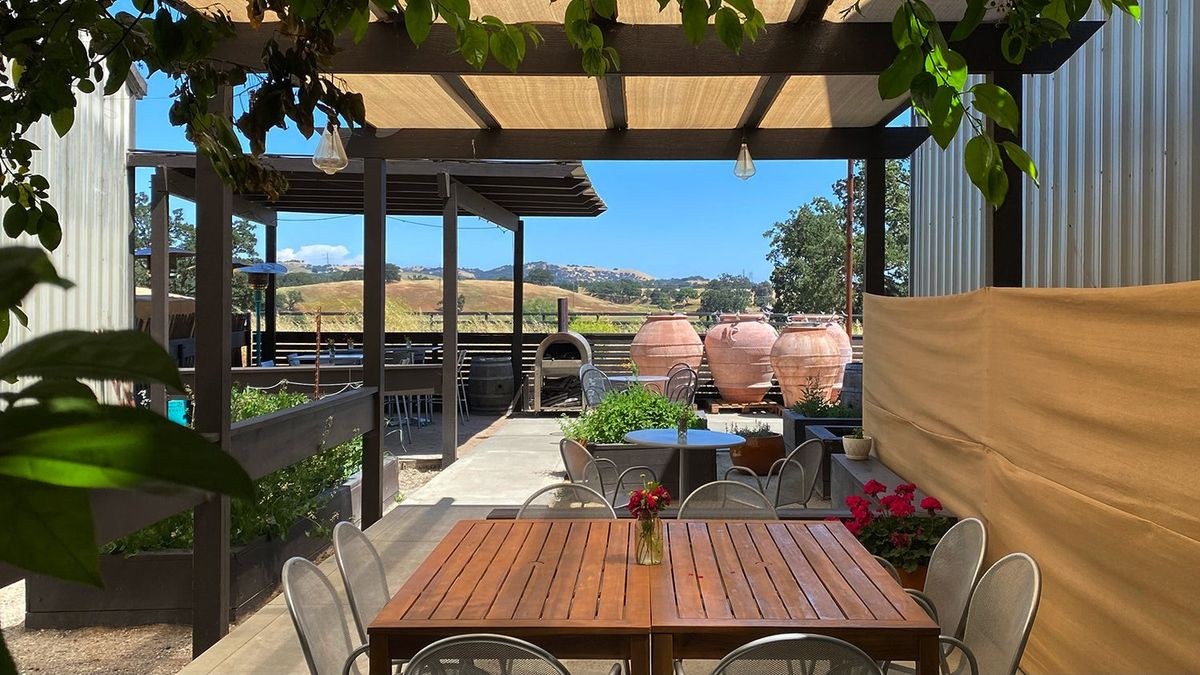
Villa Creek, Alta Colina, Adelaida, Dubost and Giornata all sit in that conversation. Giornata went a different direction again and works almost entirely with Italian varieties, which nobody predicted would suit Paso as well as it does.
02
On the natural wine question
We use natural wine as a spectrum rather than a badge, because there is no legal definition to lean on. At one end, nothing added and nothing taken away. In the middle, native yeast fermentation and a little sulfur at bottling. At the other end, certified organic or biodynamic farming, which is really a statement about the vineyard rather than the cellar.
Turley came up in the replies and sits toward the farming end of that spectrum.
03
Going
The west side districts hold most of this. Adelaida and Willow Creek are the two to know. Roads are slow and the distances are longer than the map suggests, so three stops is a full and satisfying day.
Hours and current details are on each winery's Spill page.
04
The Rhone story in one paragraph
In 1989 the Perrin family of Chateau de Beaucastel and importer Robert Haas planted imported Chateauneuf-du-Pape cuttings on limestone west of Paso Robles. Those vines became Tablas Creek, and the nursery they built supplied much of the Rhone plant material now growing across California.
Almost every Rhone-variety producer in Paso traces back to that decision in some way, which is why a region assumed to be Cabernet country has some of the country's best Grenache and Mourvedre.
05
Farming versus cellar
The two conversations get conflated constantly. Organic and biodynamic certification describe the vineyard. Native yeast, minimal sulfur and no fining or filtration describe the cellar. A winery can do one rigorously and ignore the other.
When someone here is described as low intervention, ask which half is meant, and the winery will tell you if you ask.
06
Going
Adelaida and Willow Creek hold most of this. The roads are slow, so three stops is a full day and a fourth is optimistic.
07
More in this guide
Good to know
What days are they open?
All eight with posted hours are open Friday to Sunday.
Do I need a reservation?
Most ask you to book ahead. Adelaida Cellars, Dubost and Alta Colina Vineyard & Winery take walk-ins.
How much is a tasting?
Posted tastings run $25 to $150, with Adelaida Cellars at the low end.
Can I visit several in one day?
They sit within 12 miles of each other, so two or three fit in one afternoon.
What regions does this list cover?
Paso Robles Willow Creek District, Templeton Gap District and Adelaida District.